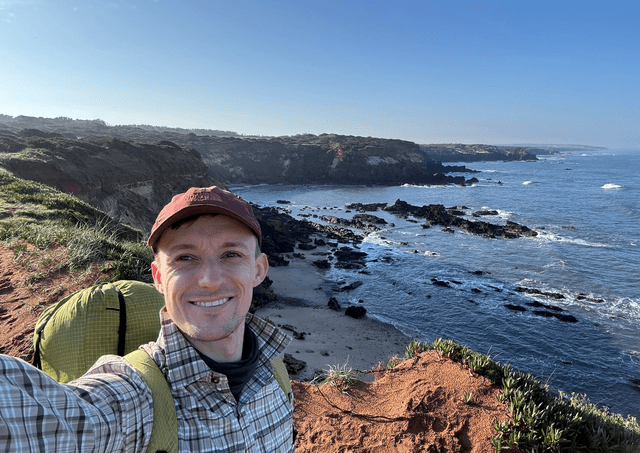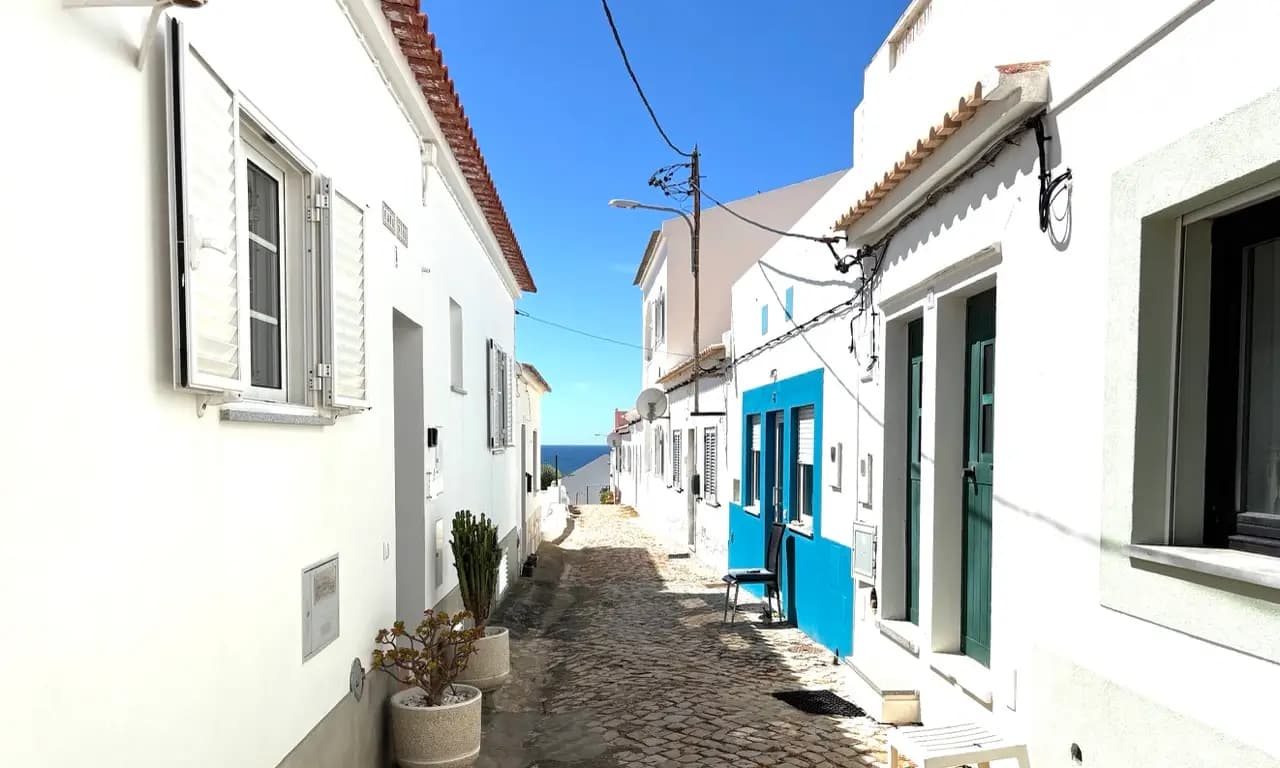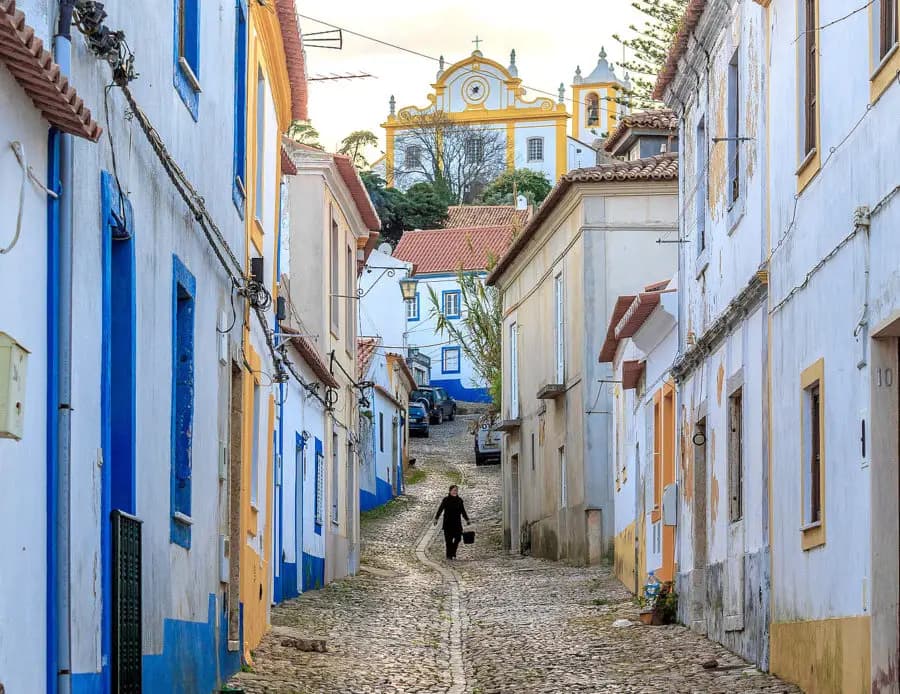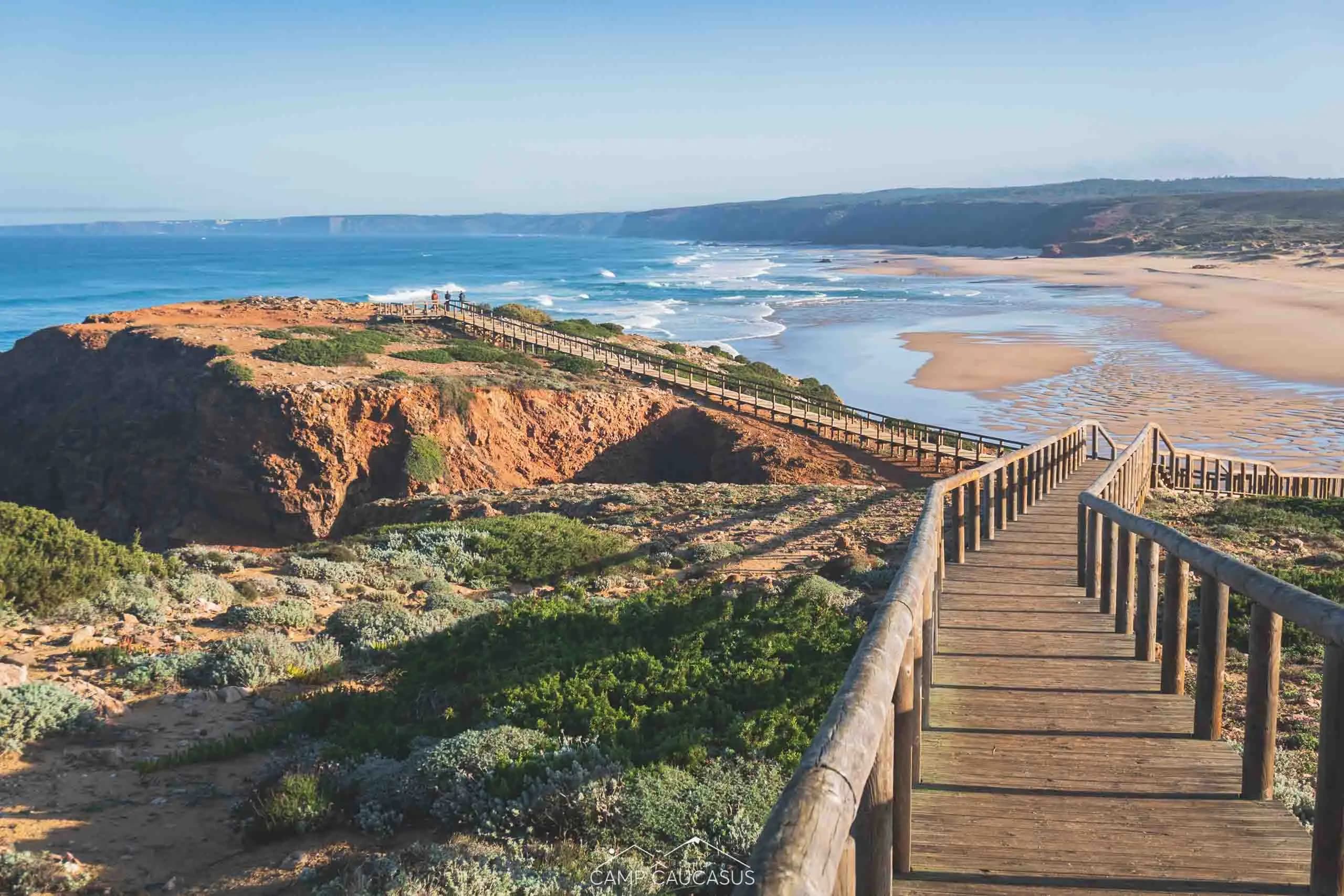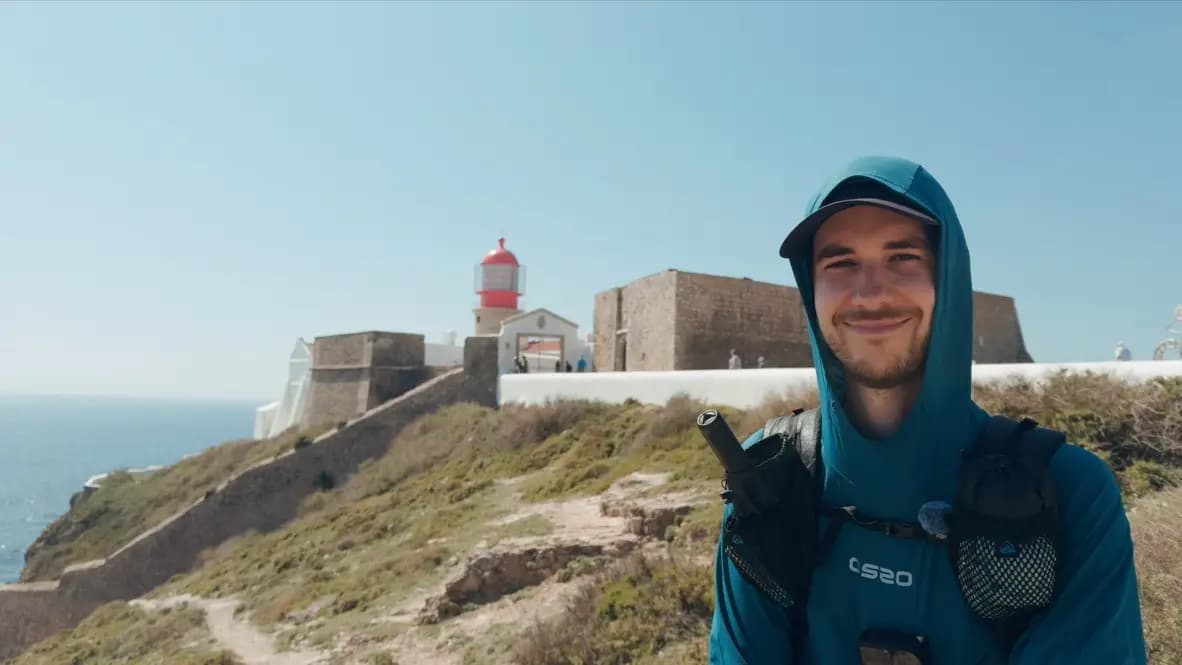
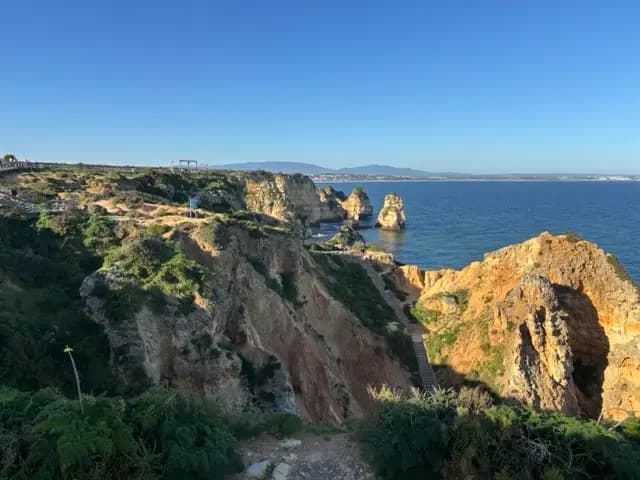
The Fishermen's Trail is getting popular because it solves a lot of problems hikers have with other European trails. It has a long hiking season, easy logistics, fair prices, strong waymarking, and daily coastal rewards without needing serious mountain experience.
You can feel the change online and on the trail. Search interest is up, more tour providers are offering packages, forums and Reddit threads are busier, and locals along the route will tell you the season is getting longer. The trail is still not overcrowded, but it is clearly moving from hidden gem to established European classic.
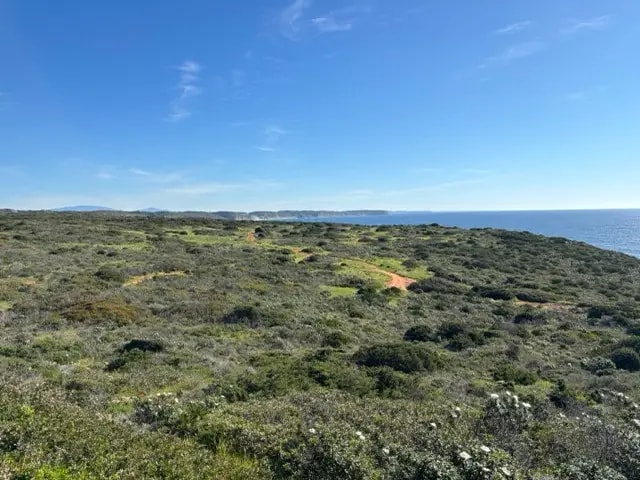
The climate works for more of the year
Europe's summers have become hotter over the last decade, and classic inland routes can feel brutal in peak season. The Camino de Santiago, for example, can get very hot in summer. Alpine hikes such as the Tour du Mont Blanc have a shorter main season because snow and mountain weather limit the window.
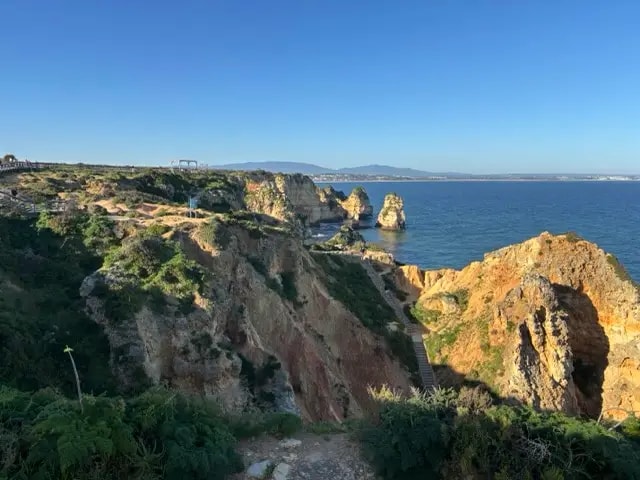
The Fishermen's Trail sits in a sweet spot. It is far enough south that spring starts early, but it stays close to the Atlantic, so you often get a cooling breeze while you walk. For most hikers, the best months are March-May and September-November, with spring temperatures often around 10-24 °C.
That gives you a long usable season without needing high-mountain conditions to line up. Summer is still best avoided - the trail has little shade and exposed sand gets hot - but the spring and autumn windows are excellent. For the full month-by-month planning picture, start with the complete Fishermen's Trail guide.
It is beginner friendly without feeling boring
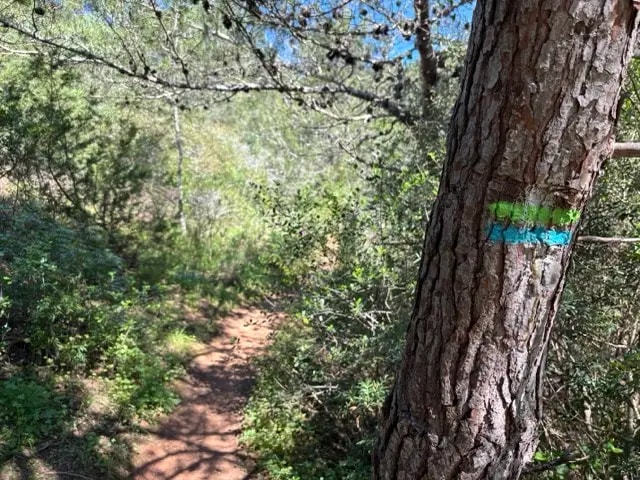
The Fishermen's Trail is approachable. The route is well marked, the Rota Vicentina organization maintains it actively, and the daily stages usually end in towns or villages. You are never truly remote, which removes a lot of stress for first-time long-distance hikers.
On paper the hike looks moderate. In practice it is a bit harder because of the sand, sun, and occasional rocky cliff sections. But the difficulty is honest: you do not need technical skills, alpine experience, or a huge pack. Good shoes, sun protection, water, and sensible daily distances go a long way.
It is also easy to scale. You can hike a short section, follow the classic first stages, or walk the full coastal route to Lagos. If you want a faster and cheaper version, you can also compress the route into a tighter one-week plan.
Portugal keeps the trip relatively affordable
Portugal is not as cheap as it was 10-15 years ago, especially in popular coastal towns. Still, compared with many famous hiking regions in Europe, the Fishermen's Trail remains relatively budget friendly.
You can find hostels, guesthouses, B&Bs, small hotels, and apartments along the route. Prices vary by season and town, but the range is broad enough that the trail attracts students, retirees, solo hikers, couples, and groups. That mix is part of the trail's energy.
Food also helps. A typical day can be simple and affordable: coffee and a pastel de nata in the morning, bread and cheese from a bakery for lunch, then grilled fish or a prato do dia in town. If eating well is part of why you hike, read the guide to food on the Fishermen's Trail before you go.
The logistics are easy
Convenience matters. The Fishermen's Trail is a point-to-point hike, but it does not feel complicated. Lisbon and Faro both work well as entry points, and Portugal has strong bus coverage along the coast.
Most southbound hikers fly into Lisbon, take a bus to Porto Covo or nearby Sines, then finish in Lagos and continue to Faro or Lisbon. It is practical, cheap enough, and does not require renting a car. If you are still deciding where to fly, where to start, or which direction to walk, the transport guide explains how to get to the Fishermen's Trail.
There are also luggage transfer services on the route. That matters more than some experienced hikers admit. If you are new to multi-day hiking, recovering from an injury, or simply want a more comfortable trip, walking with a daypack can make the whole experience more enjoyable.
You get rewarded every day
Some trails have long transition days. The Fishermen's Trail rarely does. Almost every stage gives you cliffs, beaches, fishing villages, cafés, flowers in spring, or a good dinner at the end of the day.
That daily reward loop is powerful. You do not need to wait a week for the famous viewpoint or the big pass. You can have coffee in a small town, walk sandy cliffs above the Atlantic, swim if conditions are right, and sleep in a real bed that night.
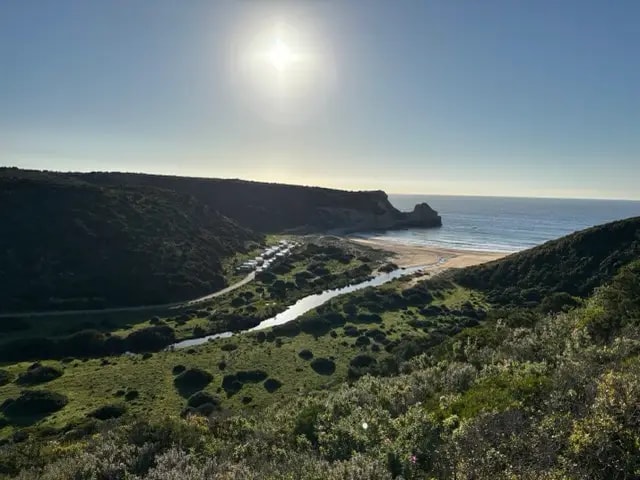
It also explains why the trail spreads well online. The scenery photographs beautifully: red cliffs, blue sea, whitewashed villages, wide beaches, and dramatic sunsets. Social media is not the whole reason the trail is growing, but it definitely adds fuel.
It fits many hiking styles
The Fishermen's Trail works whether you want comfort or simplicity. You can book guesthouses and use luggage transfer, or you can pack light and move fast. You can hike a few stages as a coastal holiday, or treat the full route as a proper long-distance walk.
That flexibility gives the trail a wider audience than many classics. The Cotswold Way, Tour du Mont Blanc, and Camino de Santiago all have their own appeal, but they ask different things from your calendar, budget, fitness, or tolerance for heat and crowds. The Fishermen's Trail lands in a very useful middle ground.
If you are packing for it, keep the kit simple. Trail runners are better than heavy boots in the sand, and sun protection matters more than most people expect. The packing guide for the Fishermen's Trail is the best next read if you are close to booking flights.
So, is it still worth hiking?
Yes. The Fishermen's Trail is getting more popular, but it is not ruined. Book accommodation ahead in spring and autumn, avoid peak summer, and do not expect empty beaches every day. You will still find quiet stretches, friendly towns, and some of the best coastal walking in Europe.
If it has been sitting somewhere on your hiking list, move it a little higher. The trail is still at a good point: known enough to have strong infrastructure, but not so crowded that it loses its character. Happy trails!