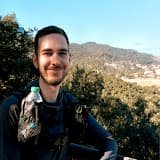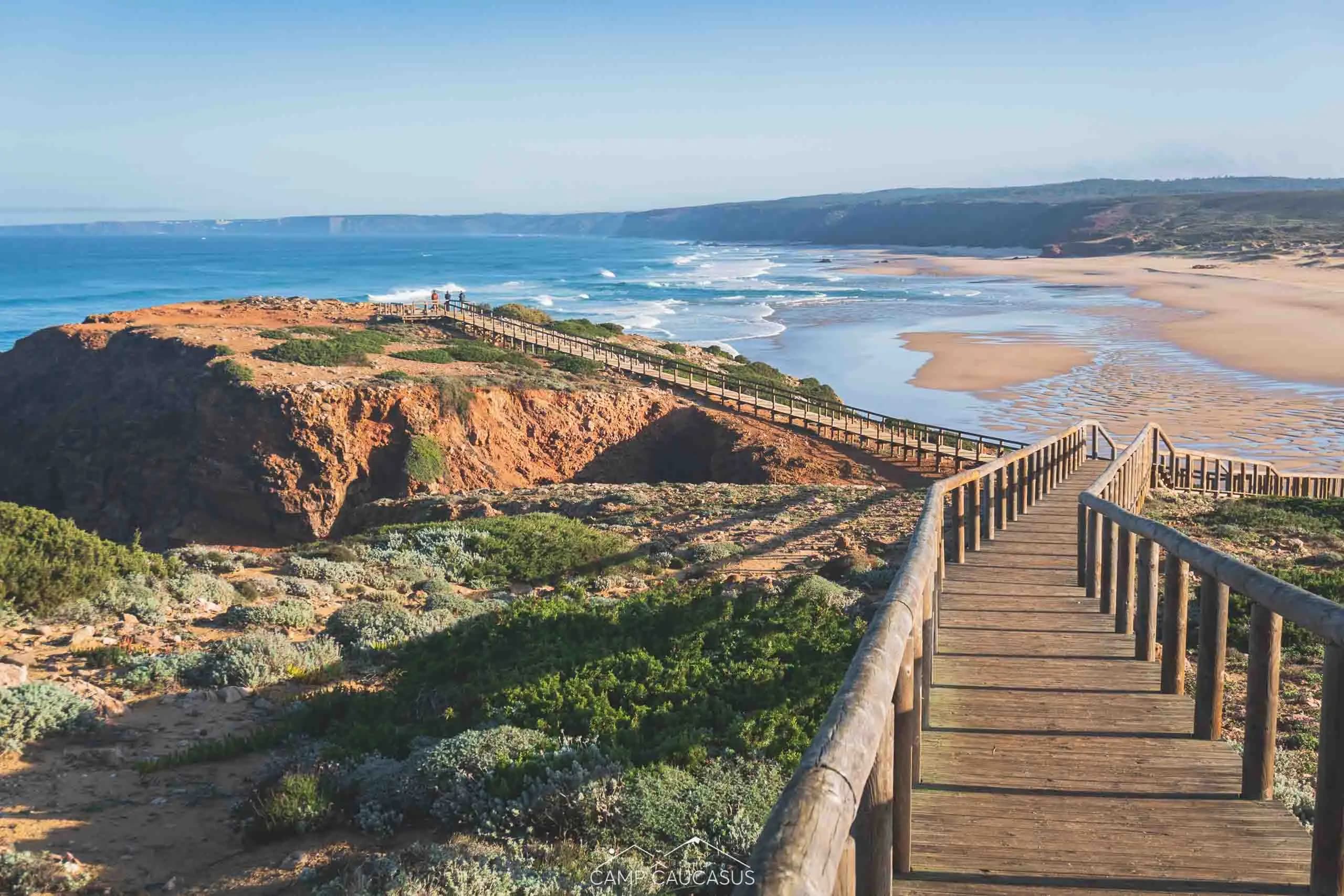
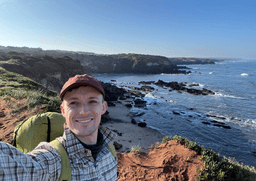
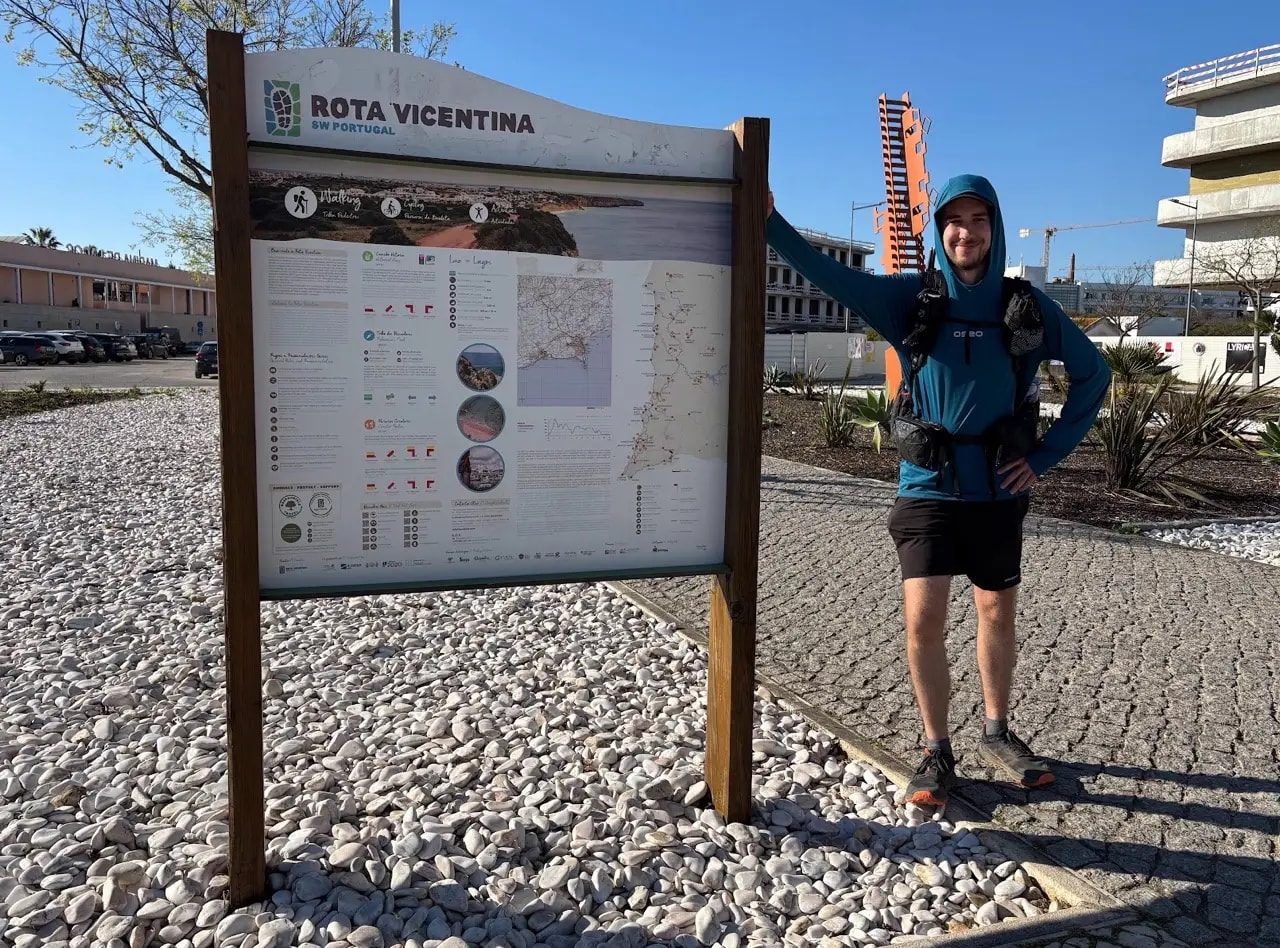
For a long time I've had an urge to hike the Fishermen's Trail faster than if following the official stages (inspired by my recent fast hike of the Cotswold Way). The good news are that the Fisherman's Trail can be hiked in 7 days if you're willing to combine stages. I did exactly that - covering all 13 stages north to south with a mix of campsites, one hostel night, and one night of cowboy camping. Total accommodation cost for the week: roughly €100. Here's how.
A quick disclaimer: hiking double (and triple) stages is demanding. You need a solid base fitness and should be comfortable with 35-40 km days on sand. The Fisherman's Trail isn't technical and the elevation is modest, but the sandy terrain drains energy faster than you'd expect. If that sounds like a fun challenge - read on.
The 7-day itinerary at a glance
| Day | Stages | Distance | Sleep |
|---|---|---|---|
| 1: São Torpes to Porto Covo | 1 | ~10 km | Campsite (~€10) |
| 2: Porto Covo to Vila Nova de Milfontes | 2 | ~19 km | Campsite (~€10) |
| 3: Vila Nova de Milfontes to Zambujeira do Mar | 3 + 4 | ~36 km | Campsite (~€10) |
| 4: Zambujeira do Mar to Aljezur | 5 + 6 | ~42 km | Hostel (~€25) |
| 5: Aljezur to past Carrapateira | 7 + 8 | ~37 km | Cowboy camp (free) |
| 6: Past Carrapateira to Sagres | 9 + 10 | ~36 km | Campsite (~€10) |
| 7: Sagres to Lagos | 11 + 12 + 13 | ~42 km | Hostel (~€25) |
Total distance: ~222 km over 7 days. Average ~32 km/day, with a few big 40+ km pushes.
Getting to the start
I flew from Copenhagen to Lisbon, then grabbed a Rede Expressos bus to Sines. From Sines, you need to get to São Torpes - the official start of the trail. You could take a taxi, but I tried hitchhiking (no luck) and ended up road walking the 4.5 km. It's flat and boring, but it gets you to the trailhead on a cost efficient way (about a 1.5 hour hike). If you decide for the road walk, then be careful - always walk in the left side of the road so you can see the traffic coming towards you.


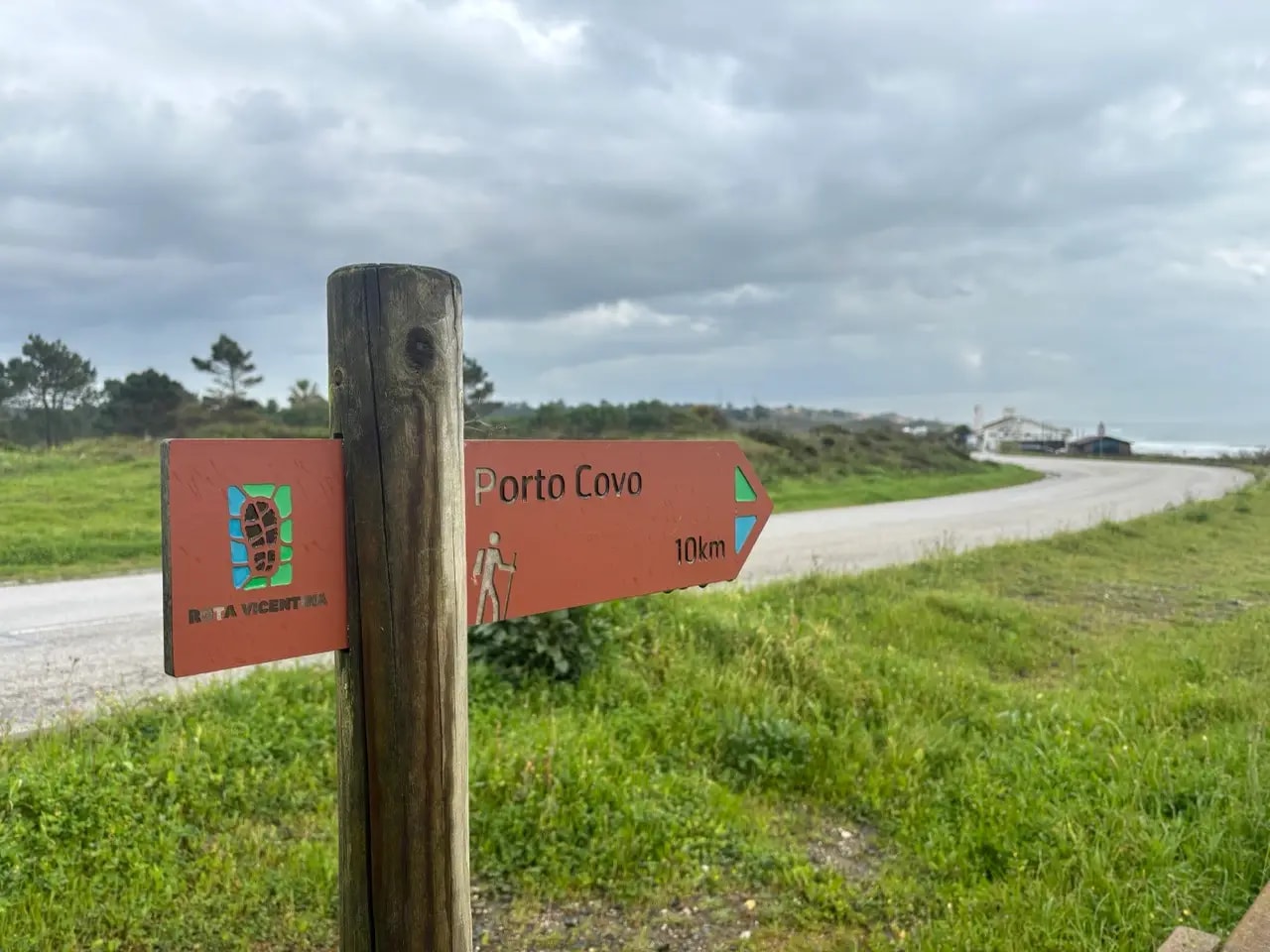
Day 1: São Torpes to Porto Covo (~10 km)
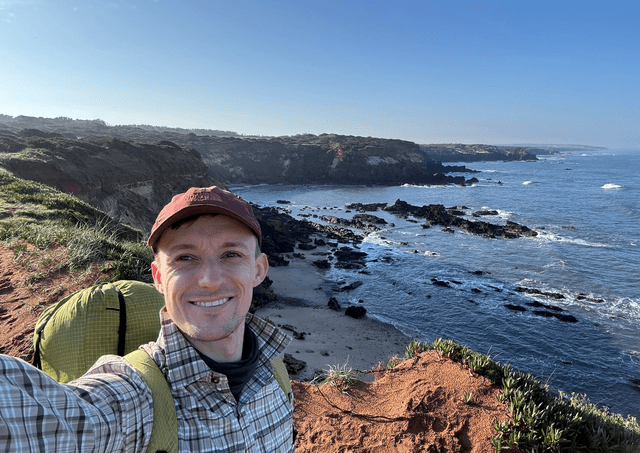
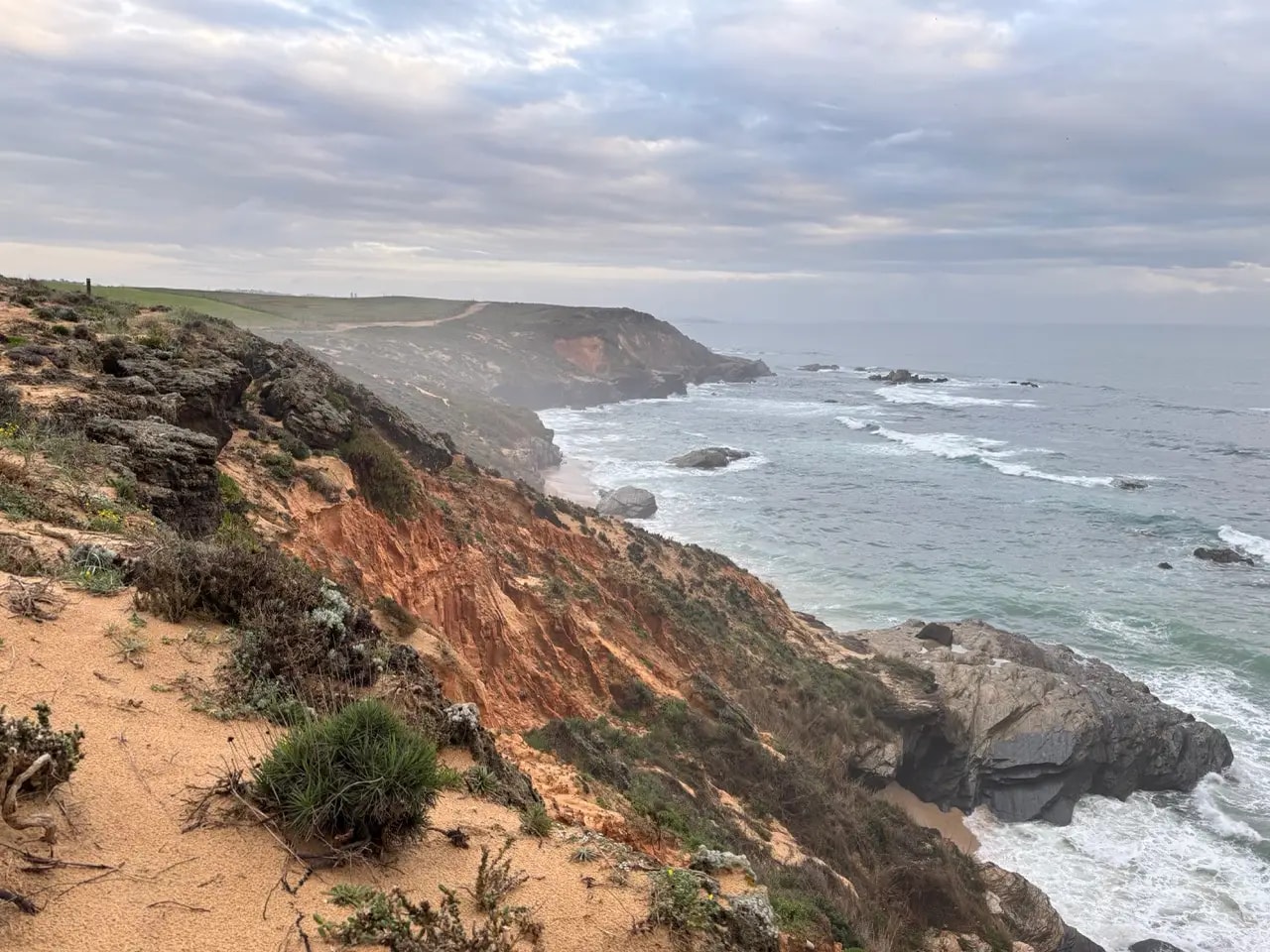
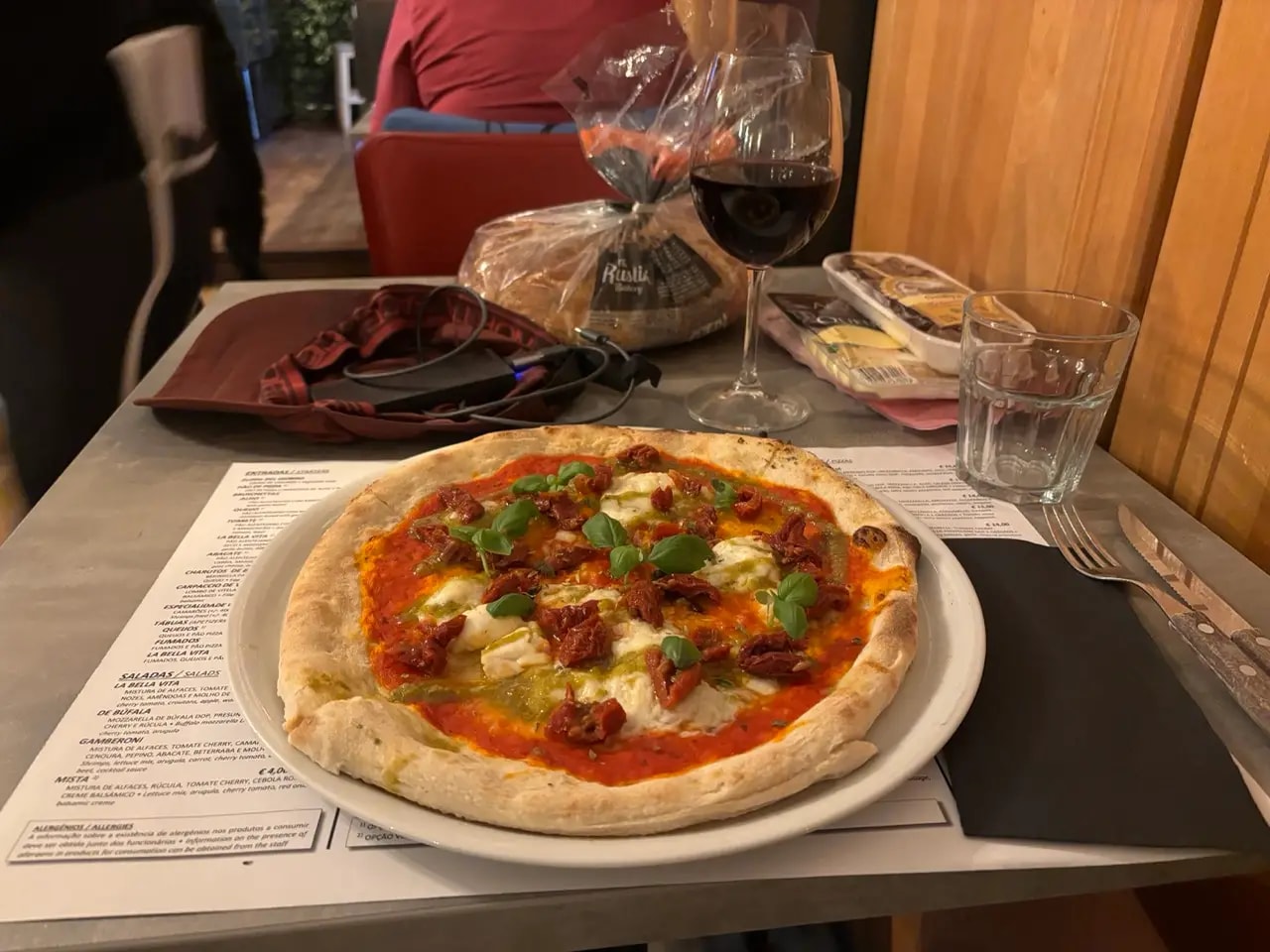
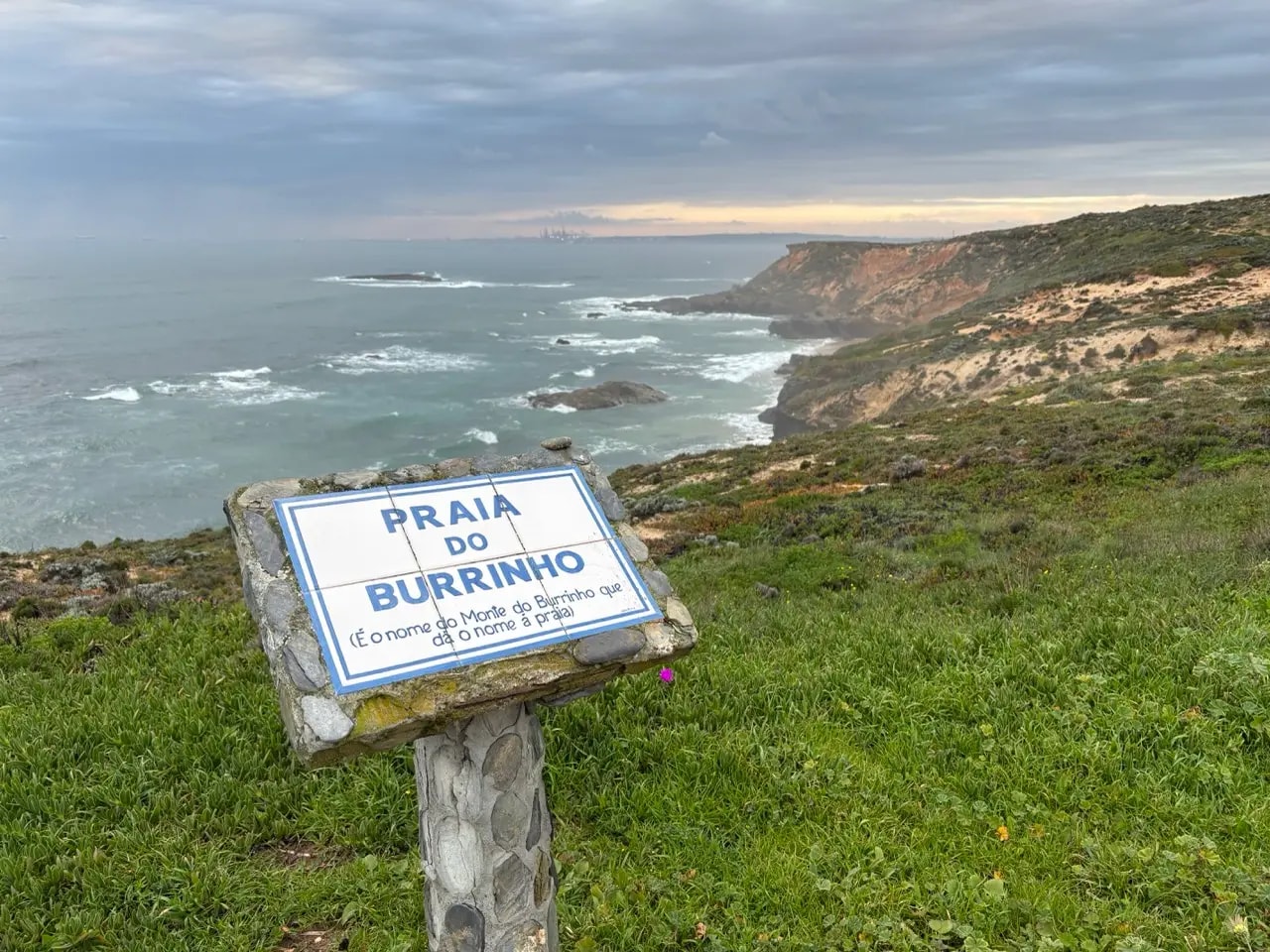
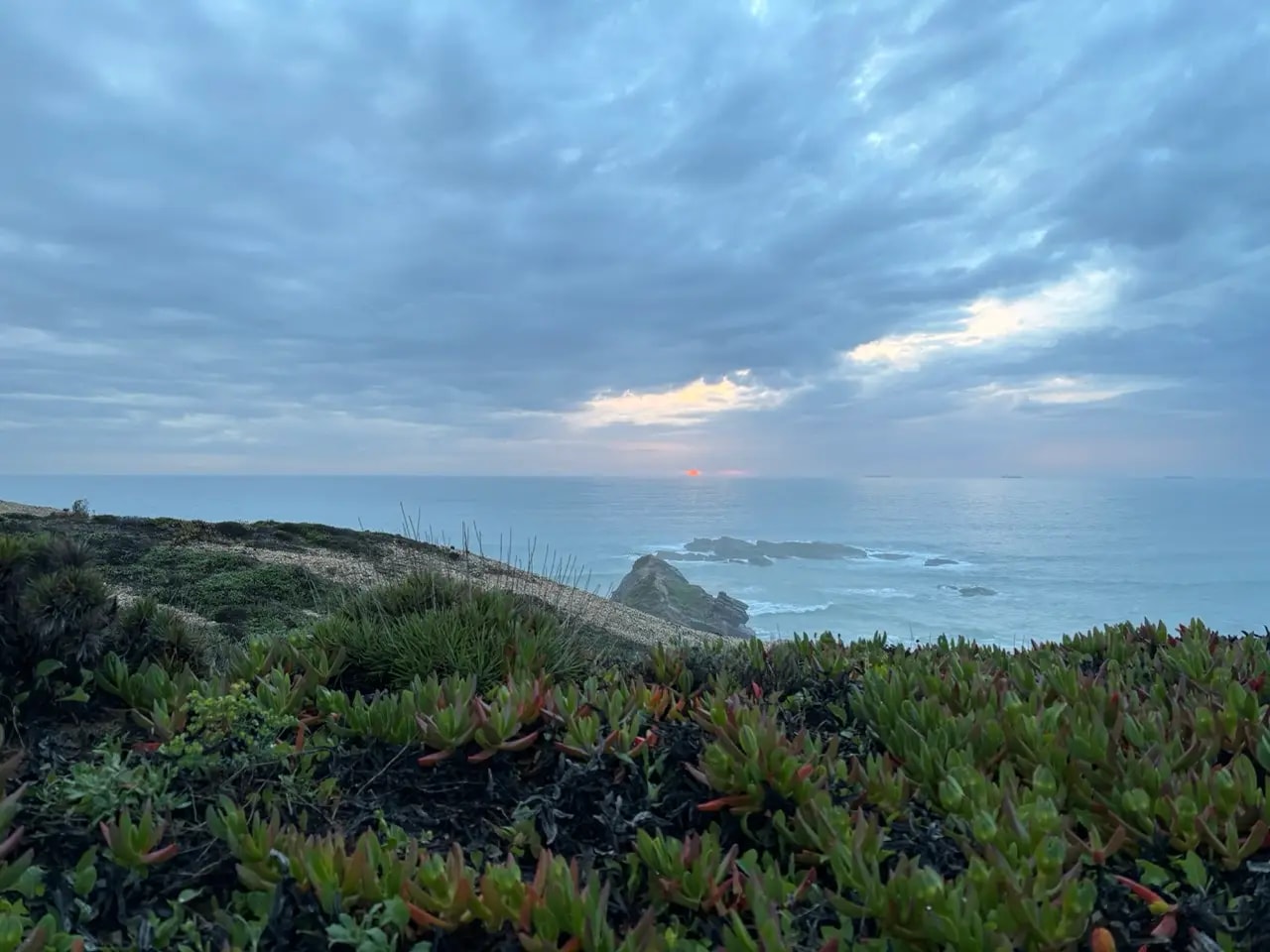
I kept the first day short on purpose - just one stage to ease into the trail. It rained for part of the hike, but the forecast promised better weather ahead and the coastal views were already spectacular. The first stage is easy and serves as a great warm-up with some beautiful beaches along the way. Starting from São Torpes means you get to hike the full official distance, which feels good. In Porto Covo I had a solid pizza at La Bella Vita and pitched my tent at the local campsite for around €10. Short day, low cost, good start.
Day 2: Porto Covo to Vila Nova de Milfontes (~19 km)
My plan was to hike two stages, but accommodation logistics made me trim it to one. Finding campsites or available hostel beds between stages can be tricky - plan your overnights before you commit to a double day. Planning and booking in advance always pays off - check out our Planner for a helping hand.
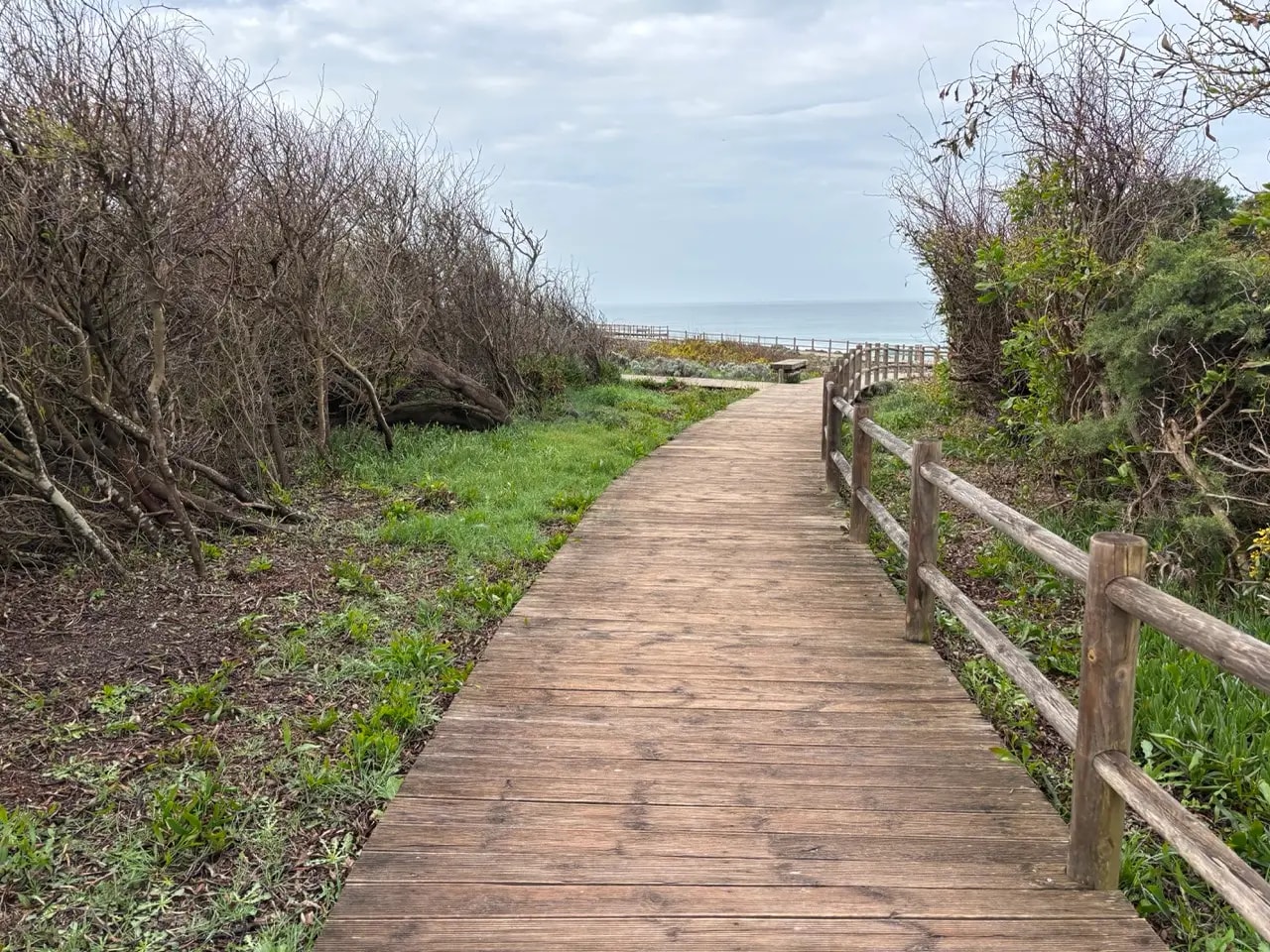
I started early in the morning and arrived in Vila Nova de Milfontes around noon, which left the entire afternoon free. The town is beautiful, sitting right at the mouth of the Mira river. Plenty of restaurants, cafés, and a great atmosphere for an easy afternoon. I'd encourage anyone to spend some time here - it's one of the nicest towns on the trail. Campsite again, around €10. Facilities were fine, nothing spectacular.

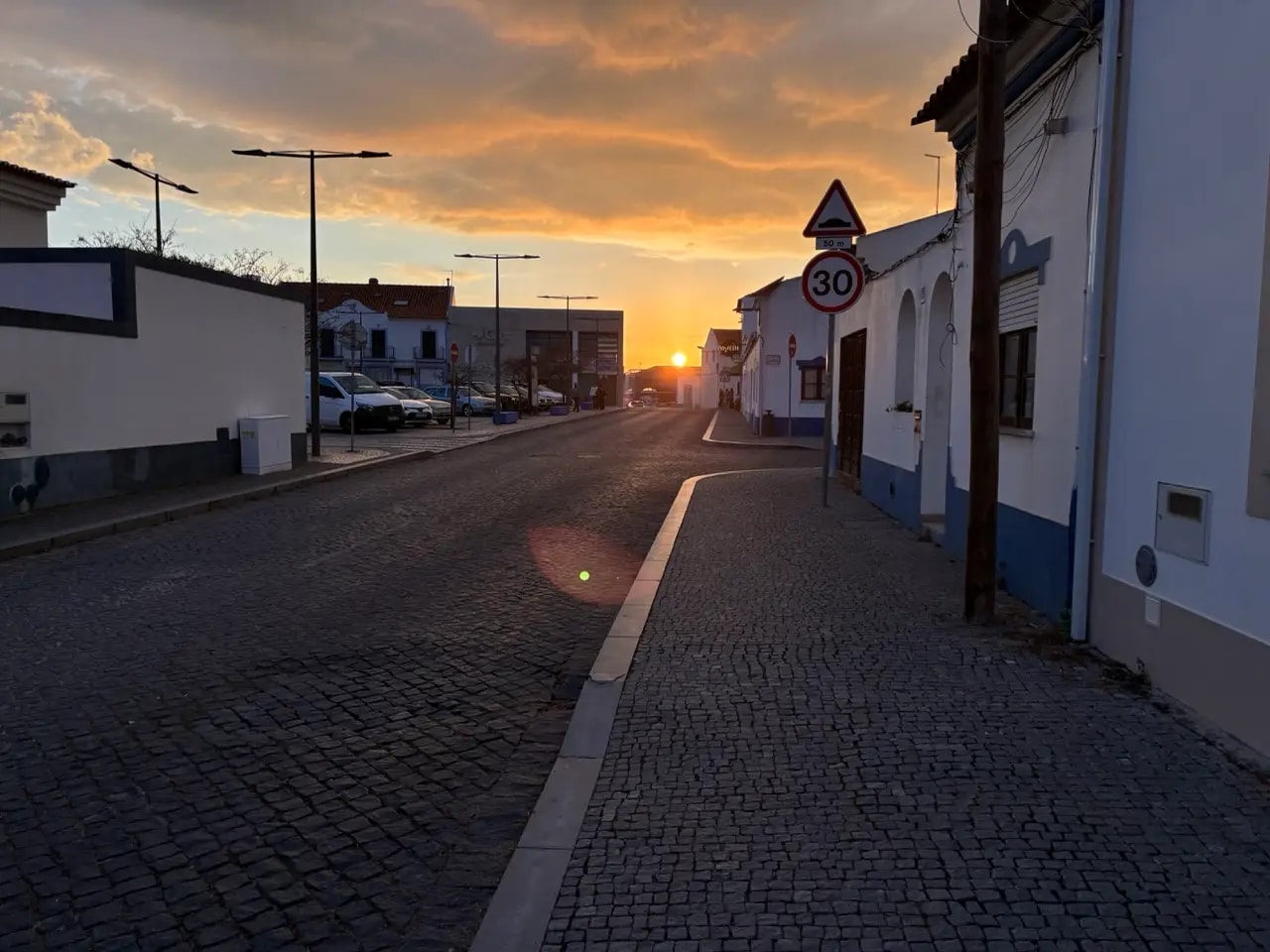
Day 3: Vila Nova de Milfontes to Zambujeira do Mar (~36 km)
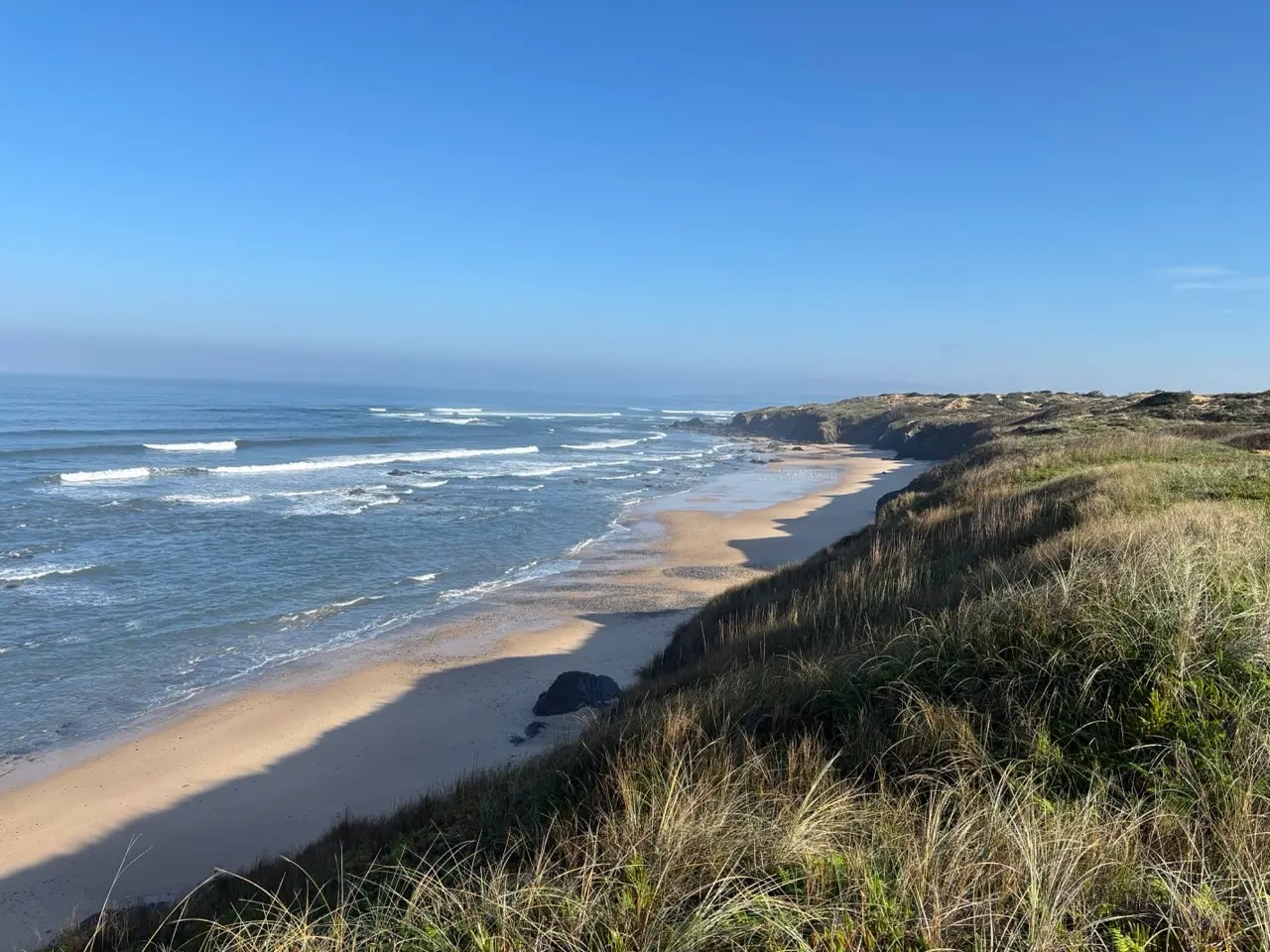
The first double-stage day. I left the campsite at 6:00 AM - early starts are non-negotiable when combining stages. You beat the heat, have plenty of daylight margin, and get the most beautiful morning light for photos.
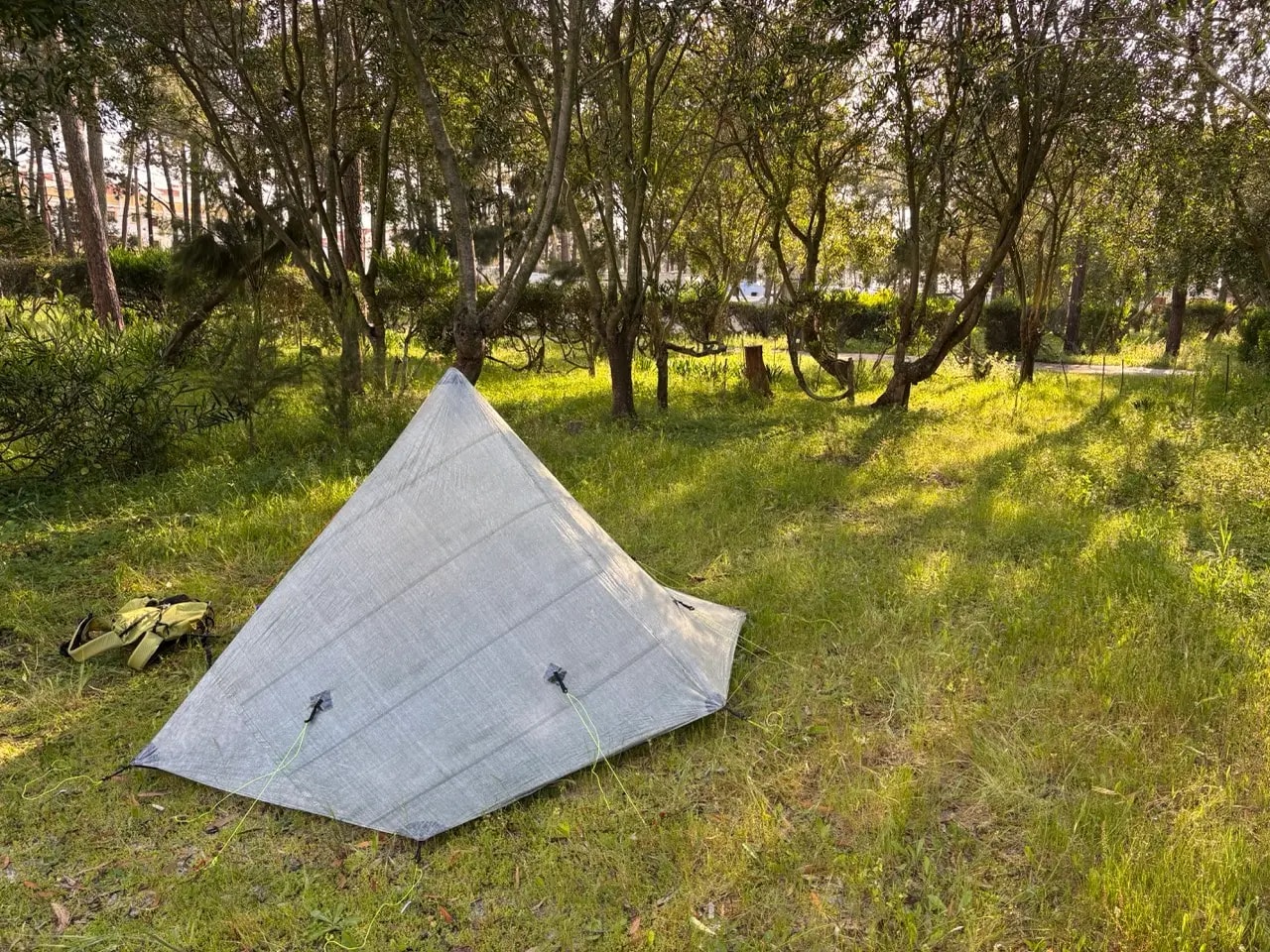
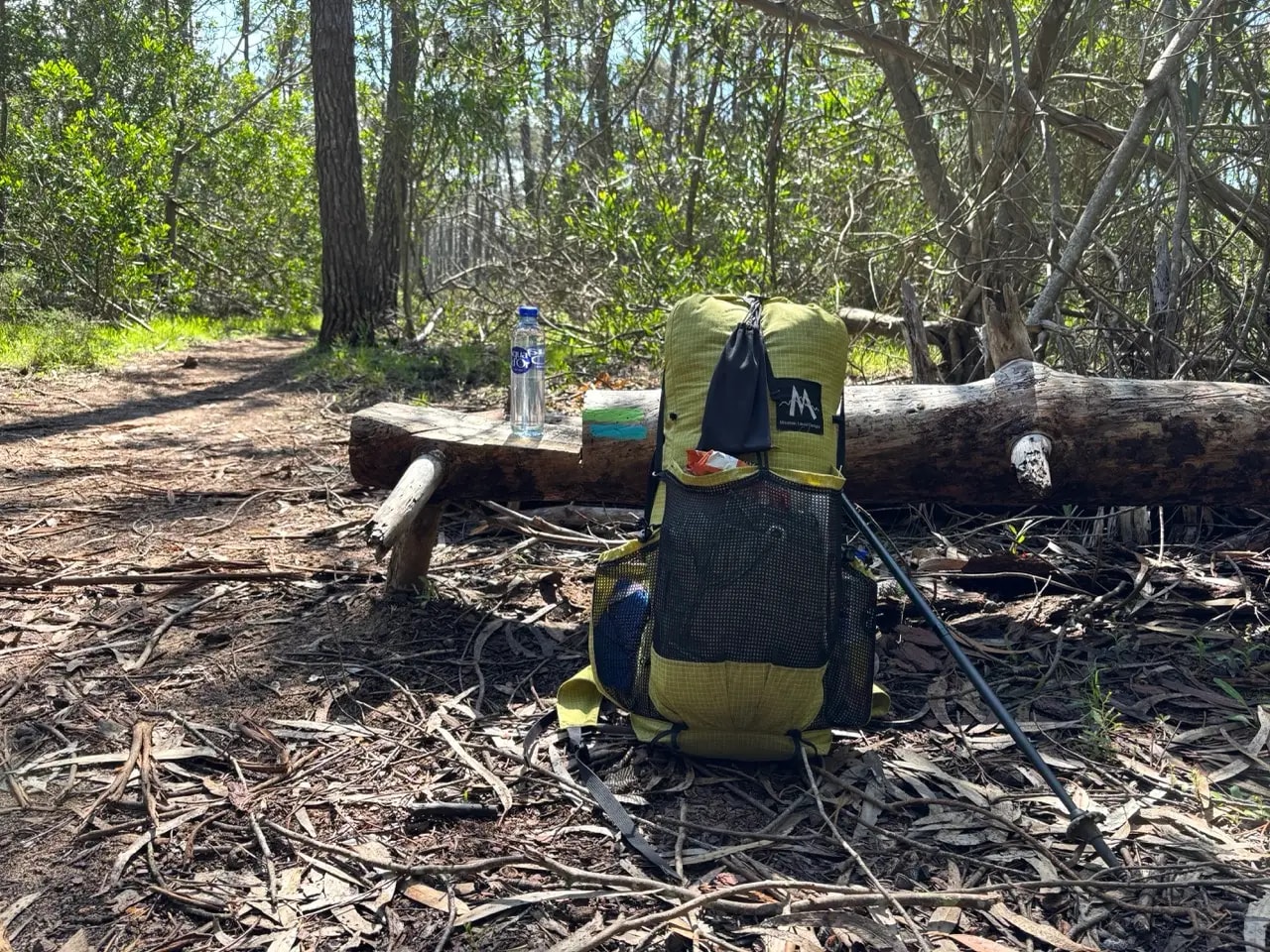
To keep costs down and stay flexible, I bought lunch supplies at the supermarket the night before: bread, canned tuna, a few vegetables, and olive oil. With a small knife and a spork I was fully self-sufficient on trail. This became my standard approach for the rest of the hike. It was actually a great way to taste a lot of local produce - I devoured a lot of canned seafood and sweet potatoes from the region.
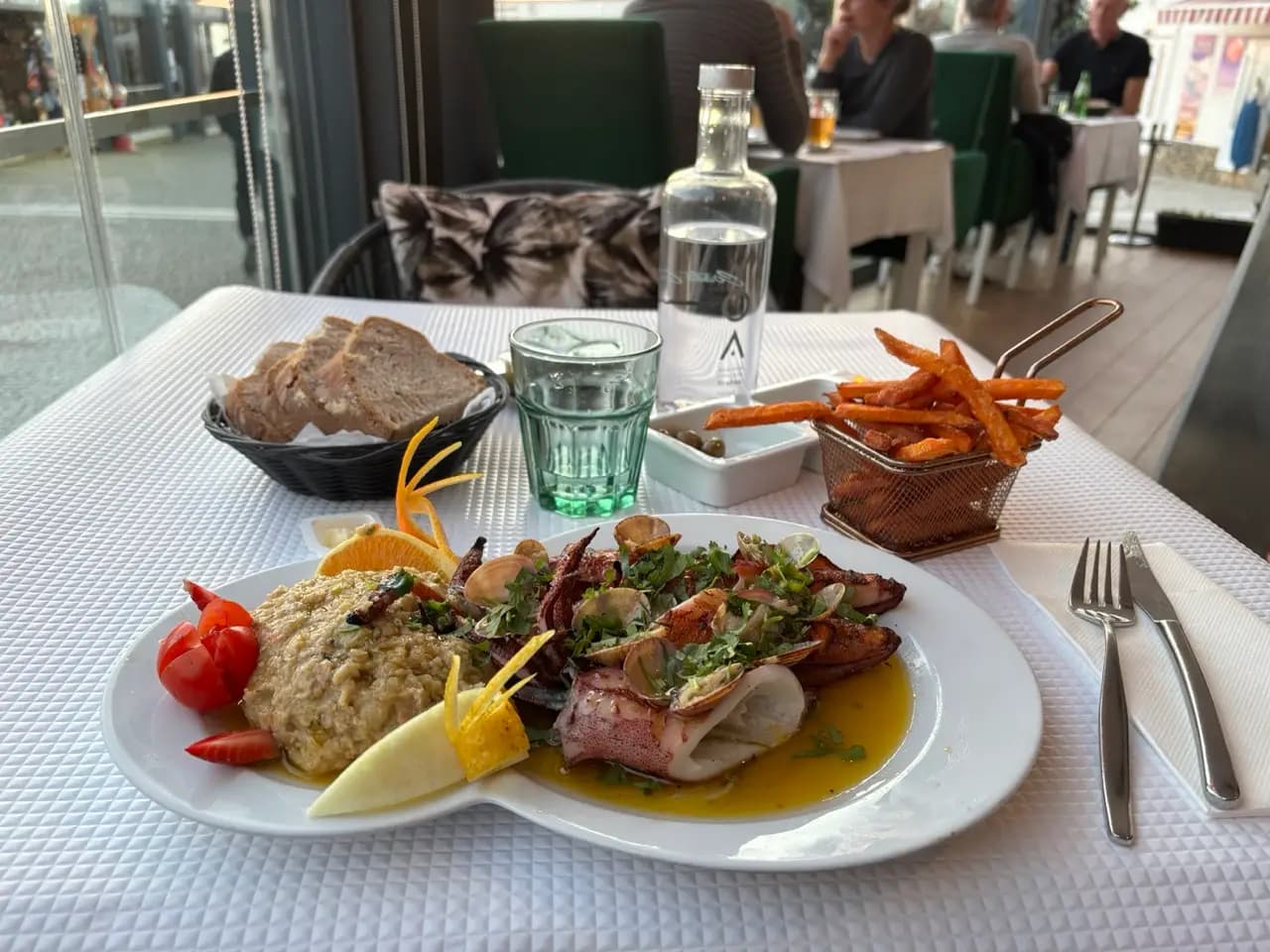
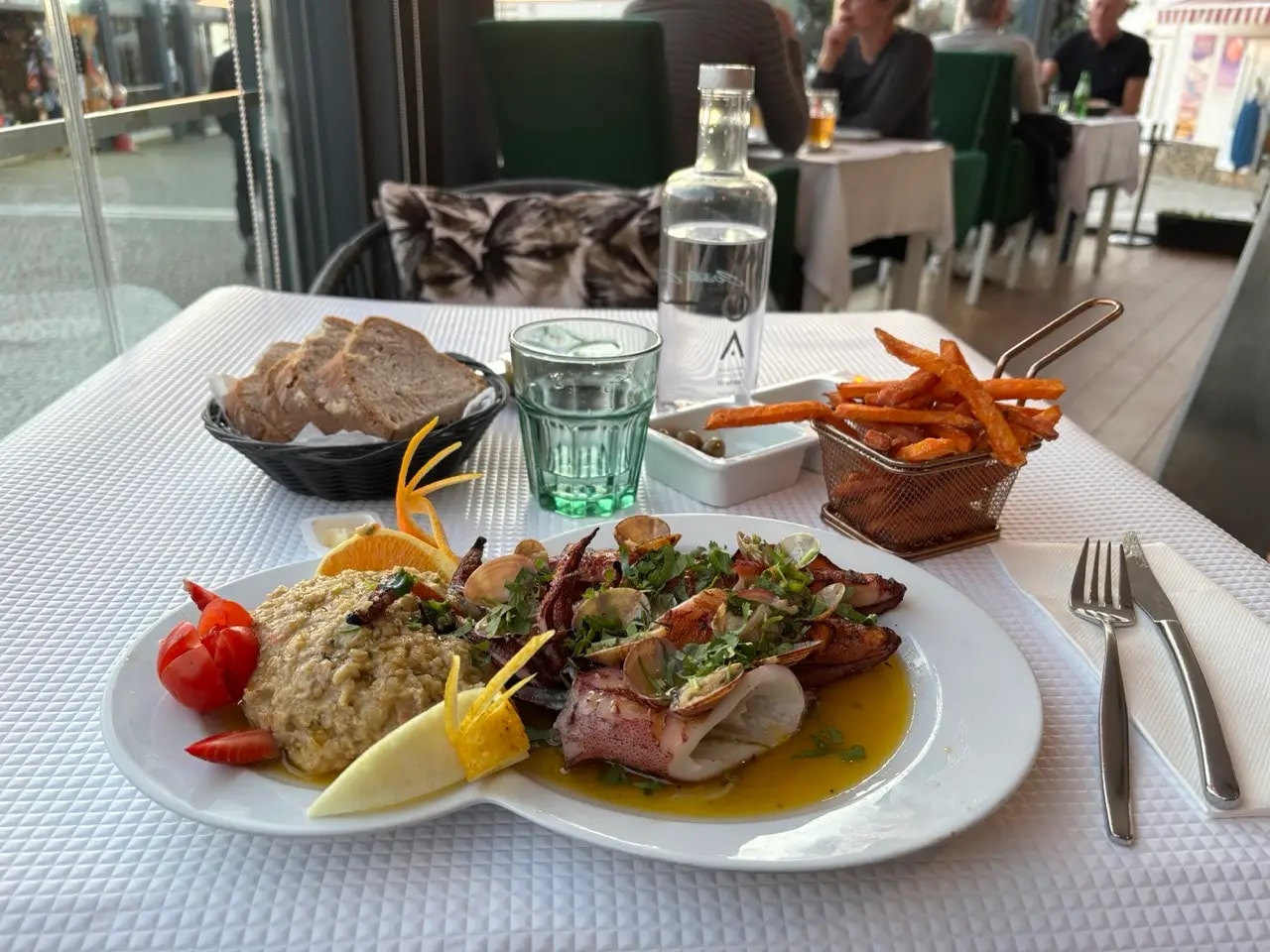
Zambujeira do Mar had the best campsite on the entire trail - great facilities, friendly staff, good atmosphere. It was a short walk out of town, but absolutely worth it. The town itself is wonderful and popular with tourists beyond just hikers. I treated myself to one of the best seafood meals of the whole trip spending €25. Campsite cost: around €10.
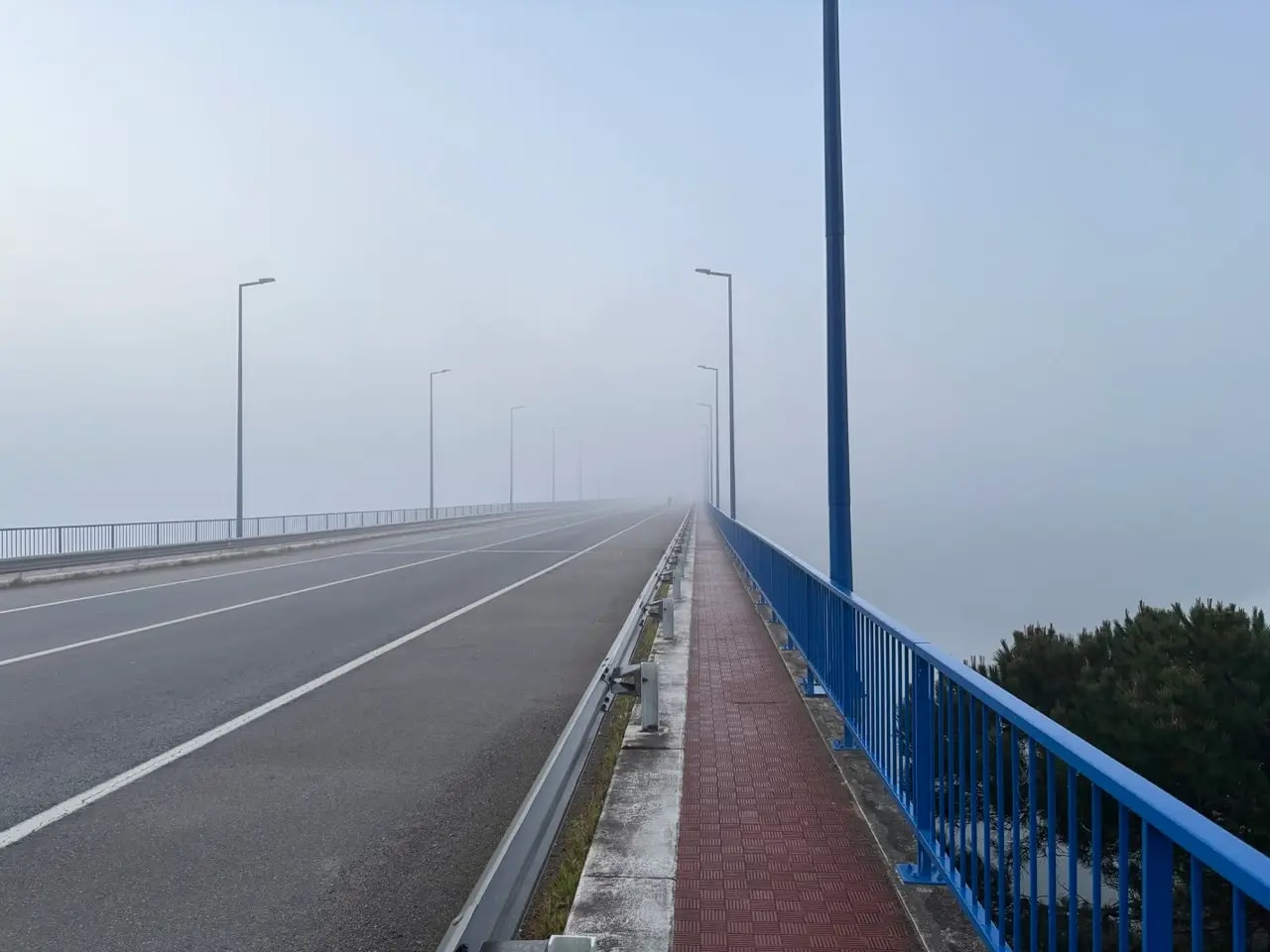
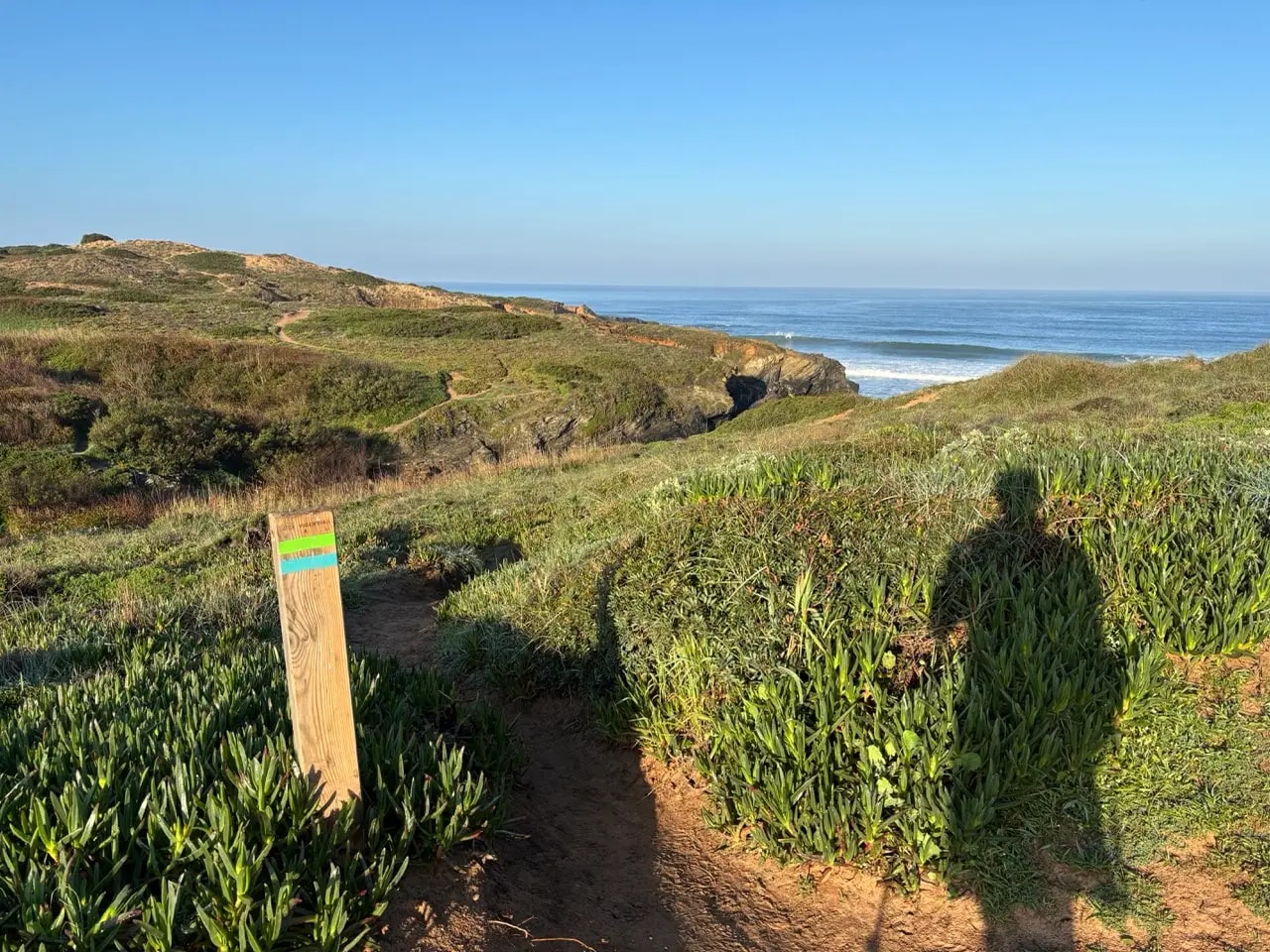
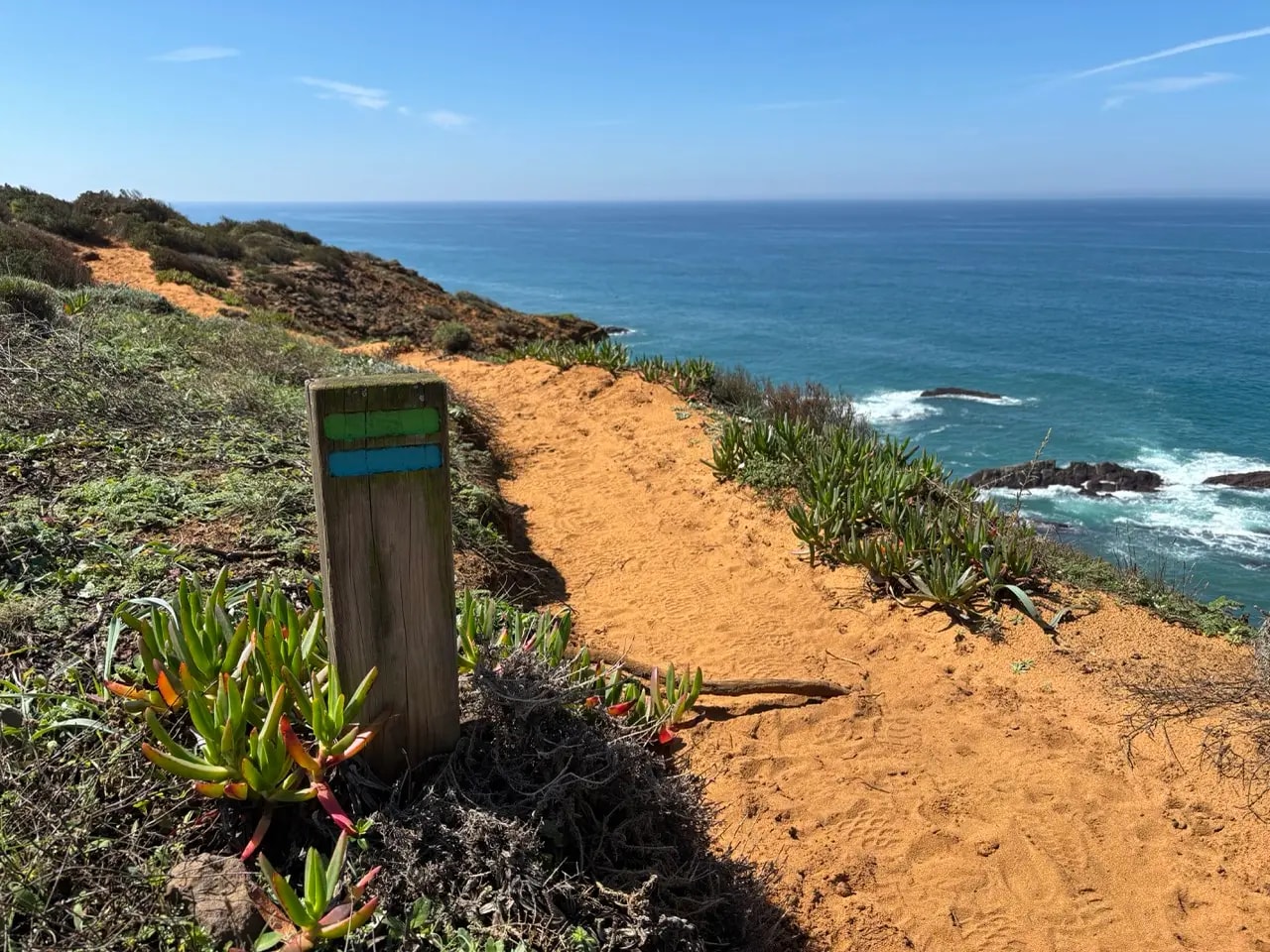
Day 4: Zambujeira do Mar to Aljezur (~42 km)
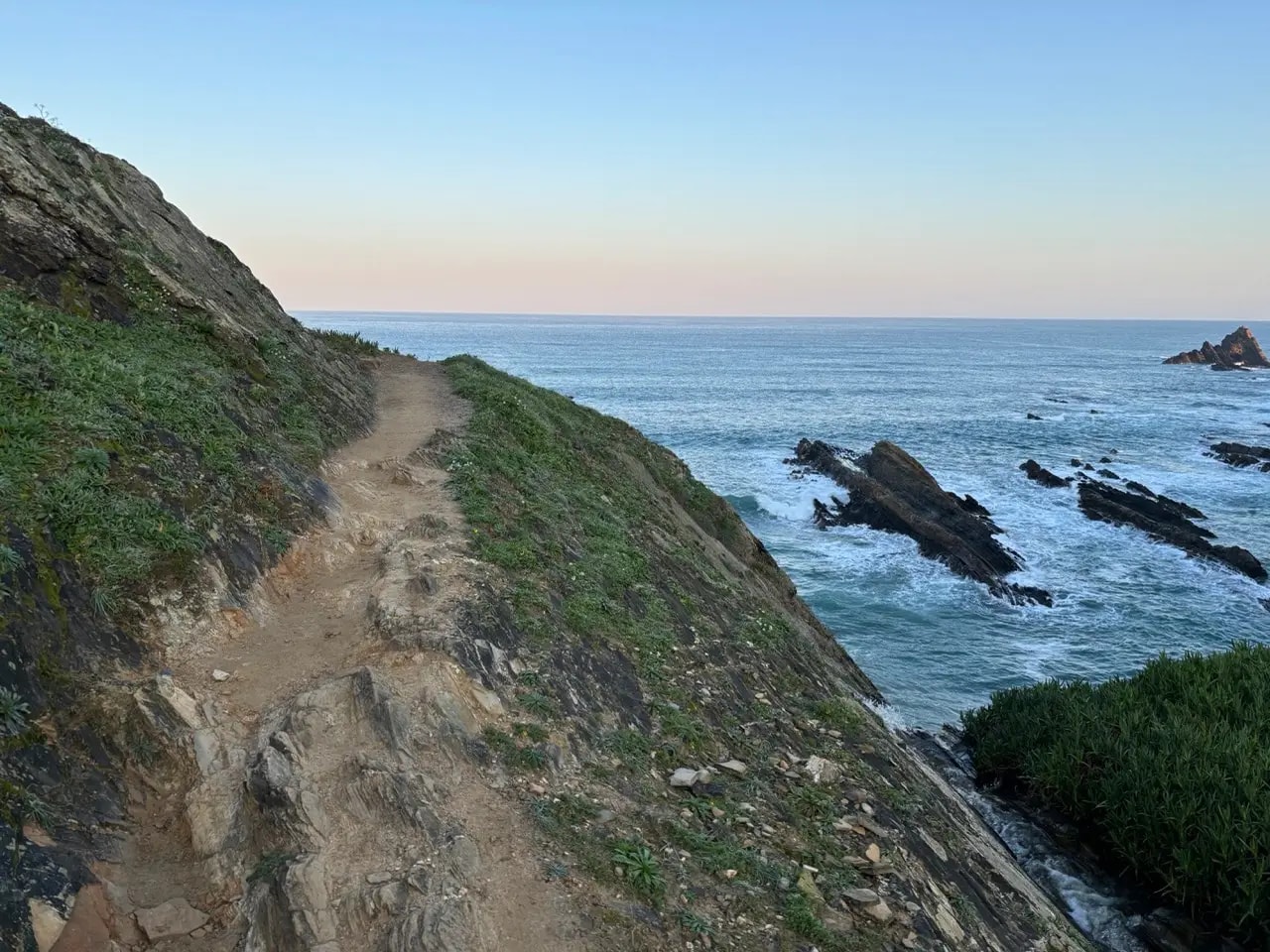
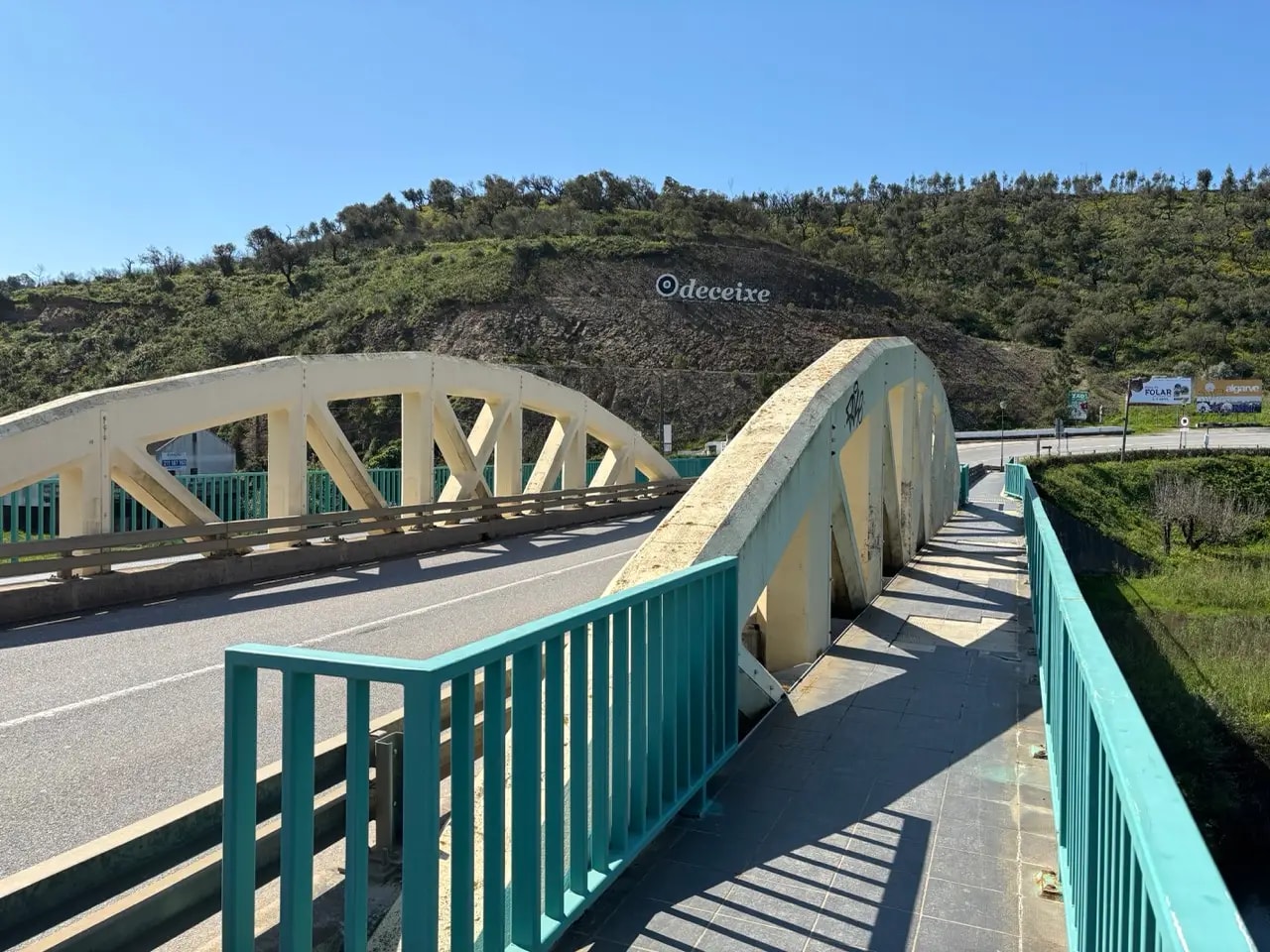
This was the day I was dreading a little. Two long stages with a fair amount of road walking, and the weather had turned properly hot. The first stage to Odeceixe was genuinely nice - great coastal views and Odeceixe itself made for a solid break. I used the stop to resupply and dry out my slightly damp tent.
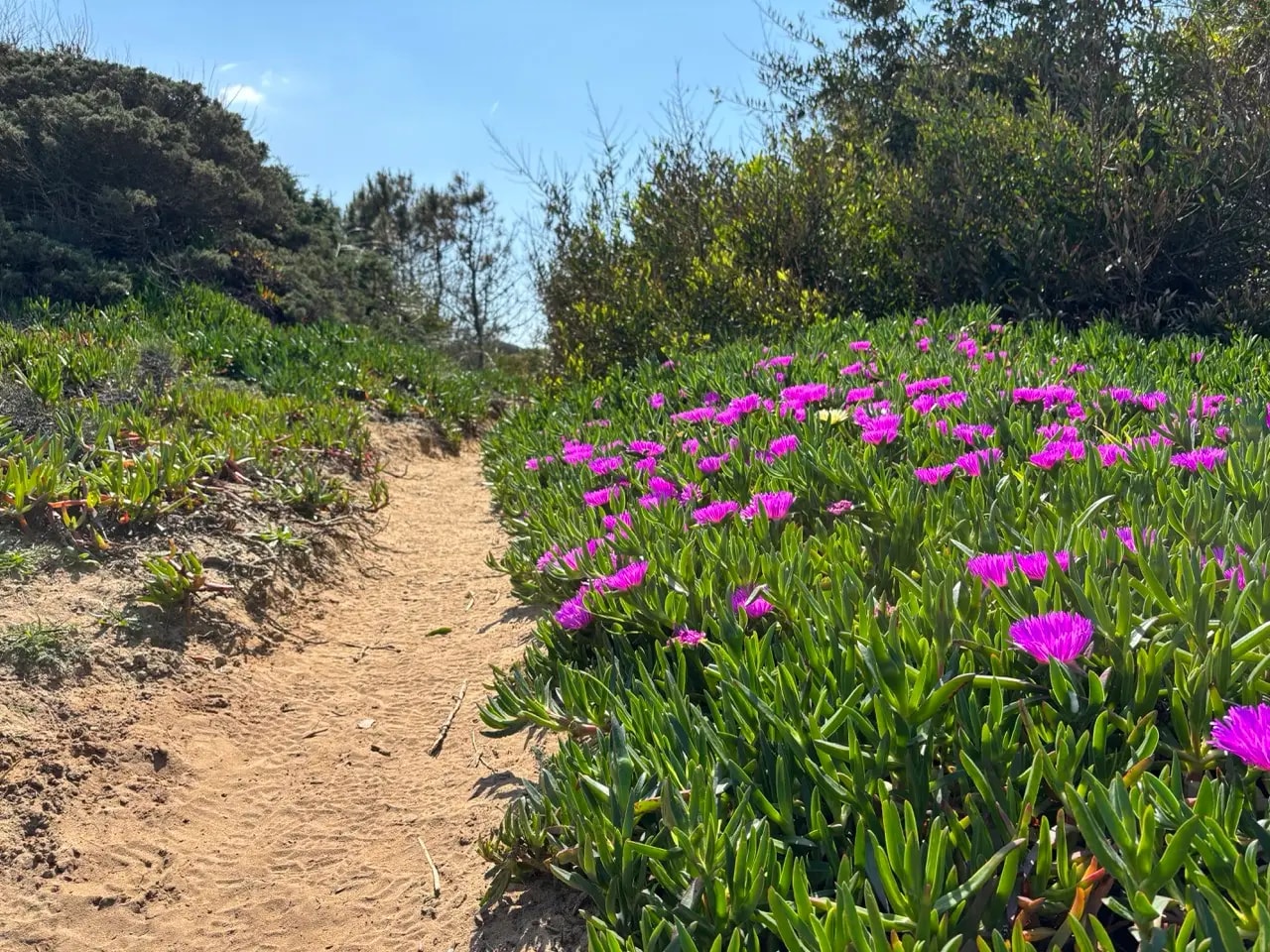
The stage from Odeceixe towards Aljezur starts beautifully but then transitions into road walking. I popped a podcast in my ears and pushed on through. A meal in Rogil broke up the monotony before the final stretch into Aljezur.
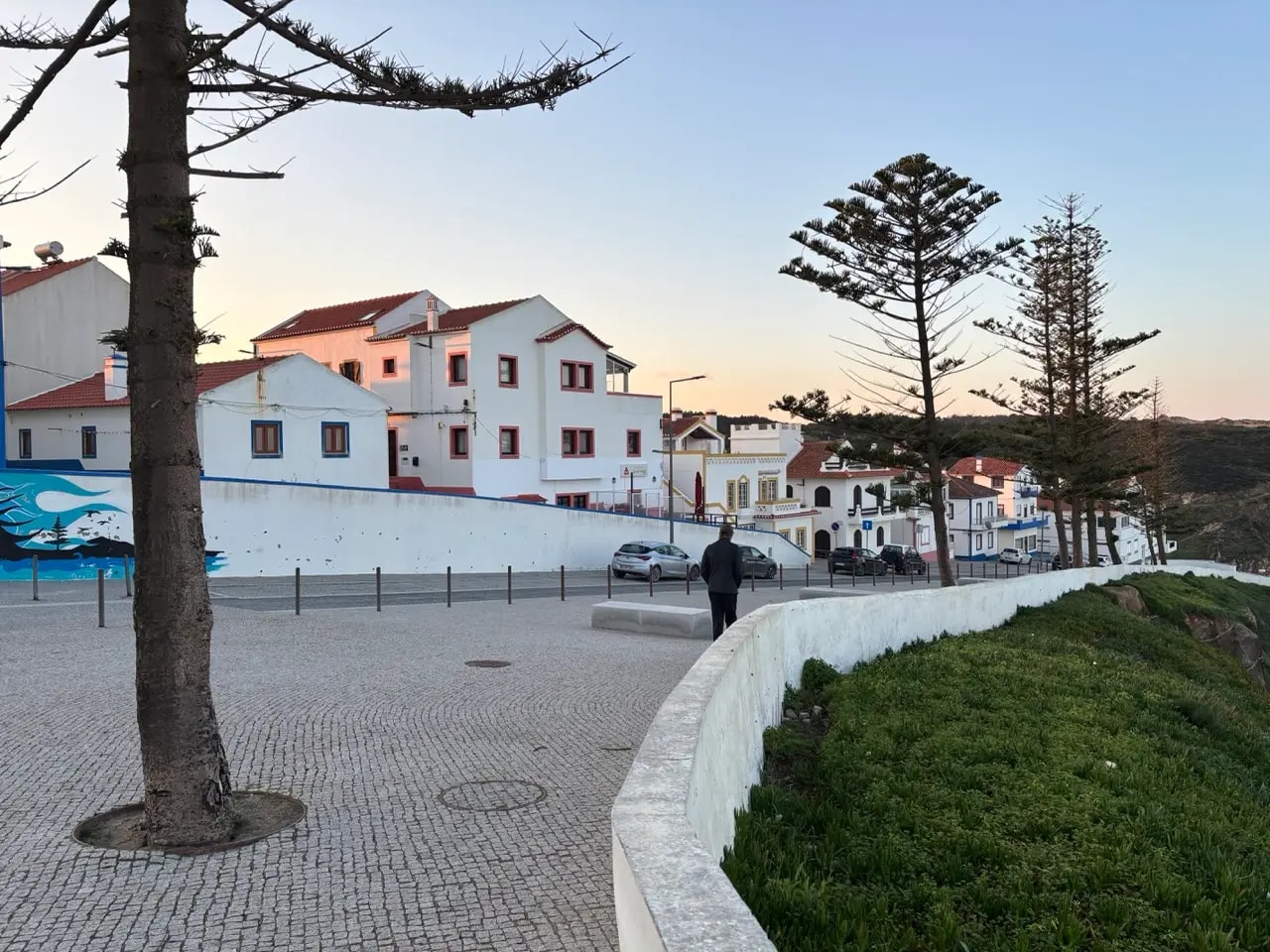
I'd managed to book a hostel bed in Aljezur for around €25 - completely worth it. A proper hot shower, a real bed, and a chance to socialise with other hikers. Aljezur is a charming town and a great place to recover from a tough day.
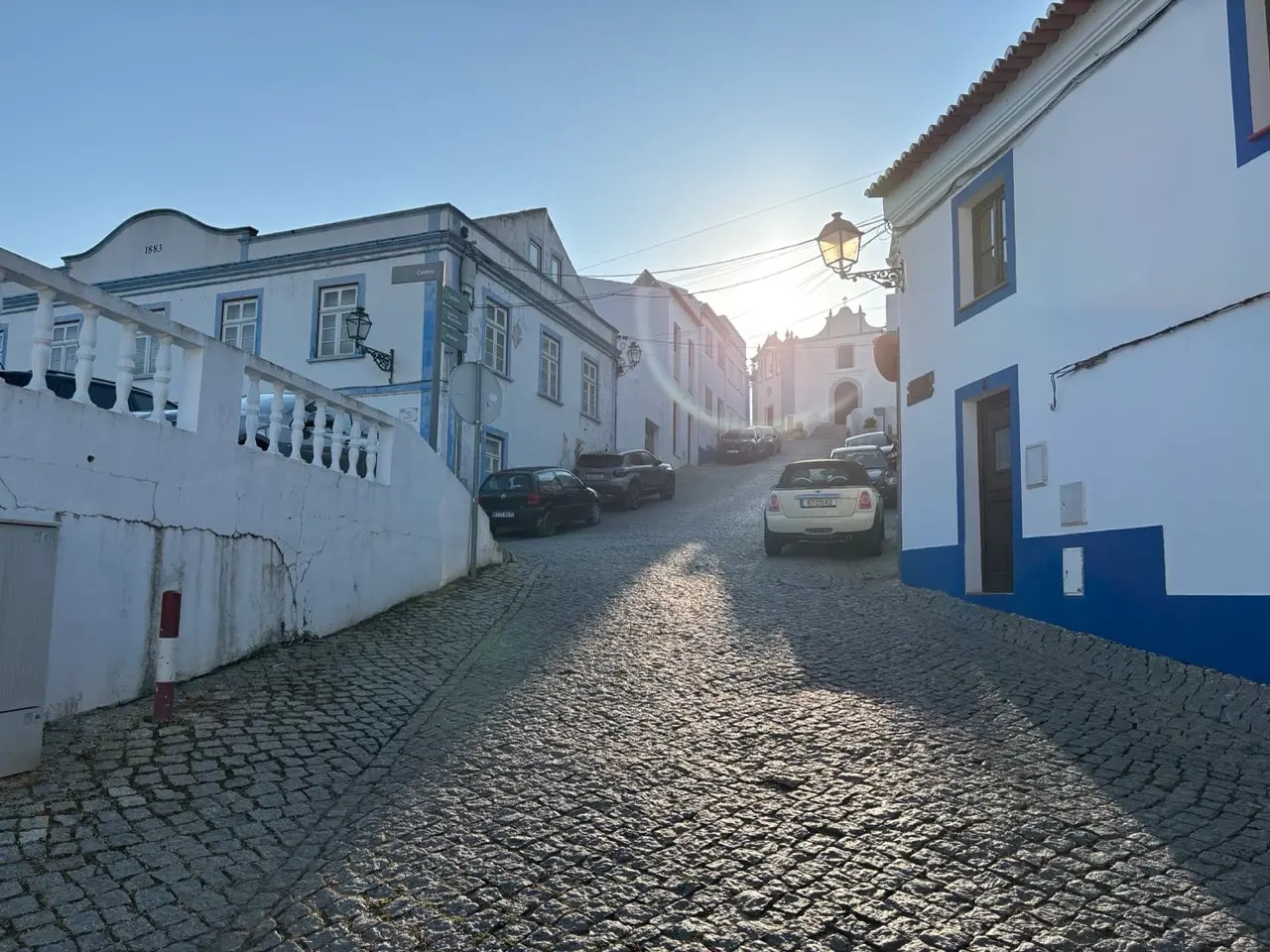
Day 5: Aljezur to past Carrapateira (~37 km)
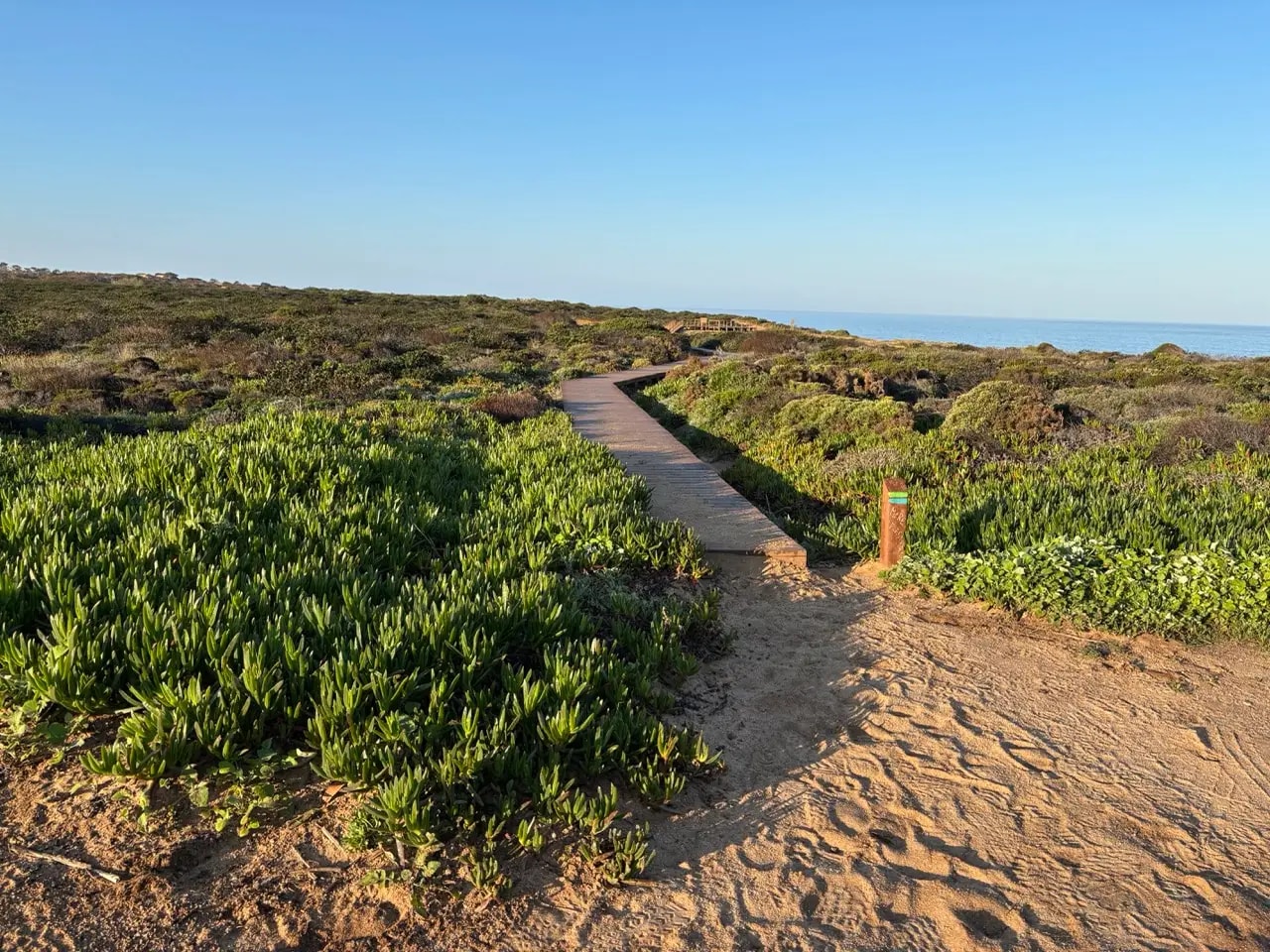
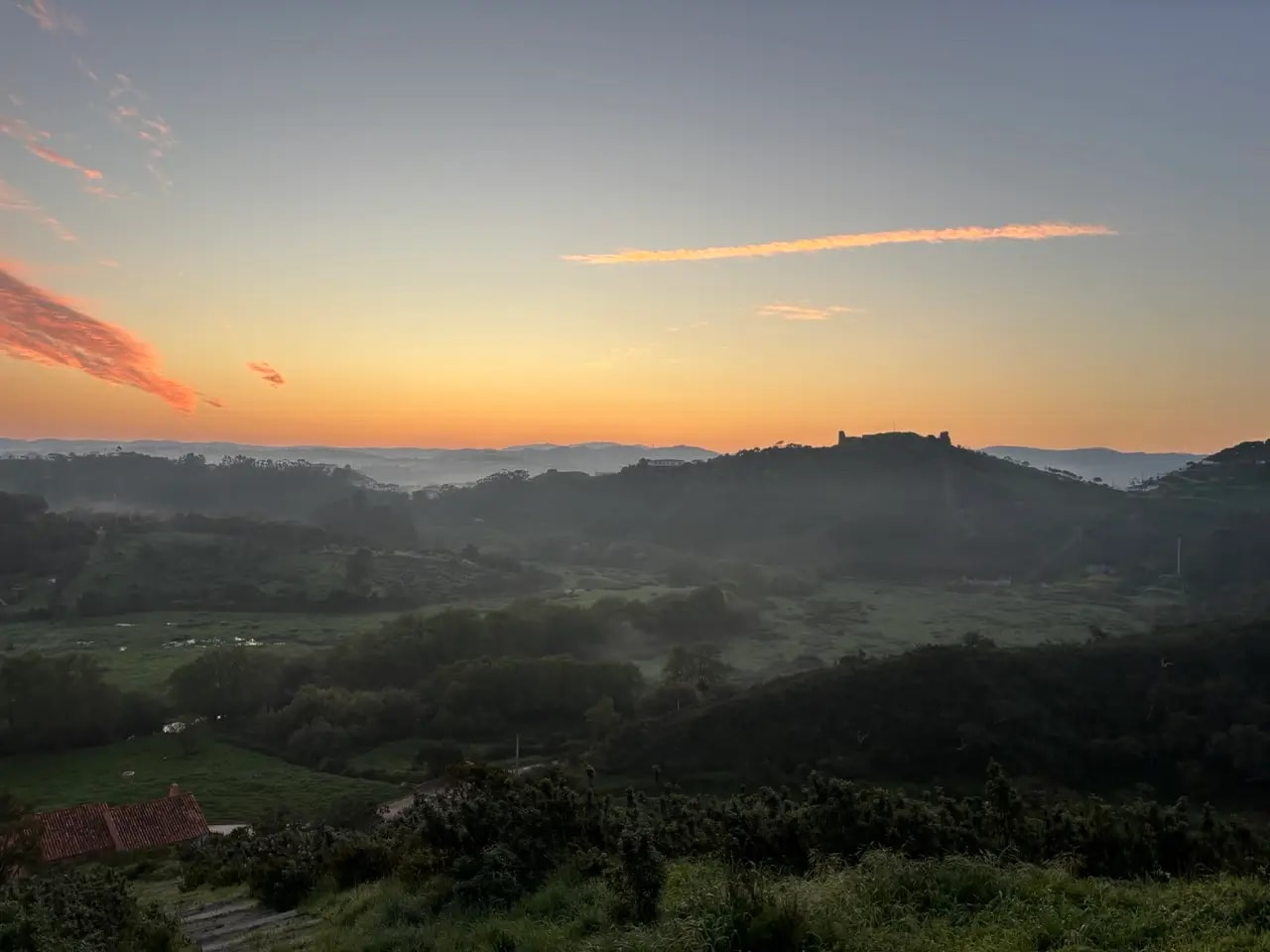
I couldn't find accommodation in Carrapateira, so this day meant hiking into the unknown. Another very early start - and I definitely didn't regret it. The morning was absolutely stunning and I covered serious distance before noon.
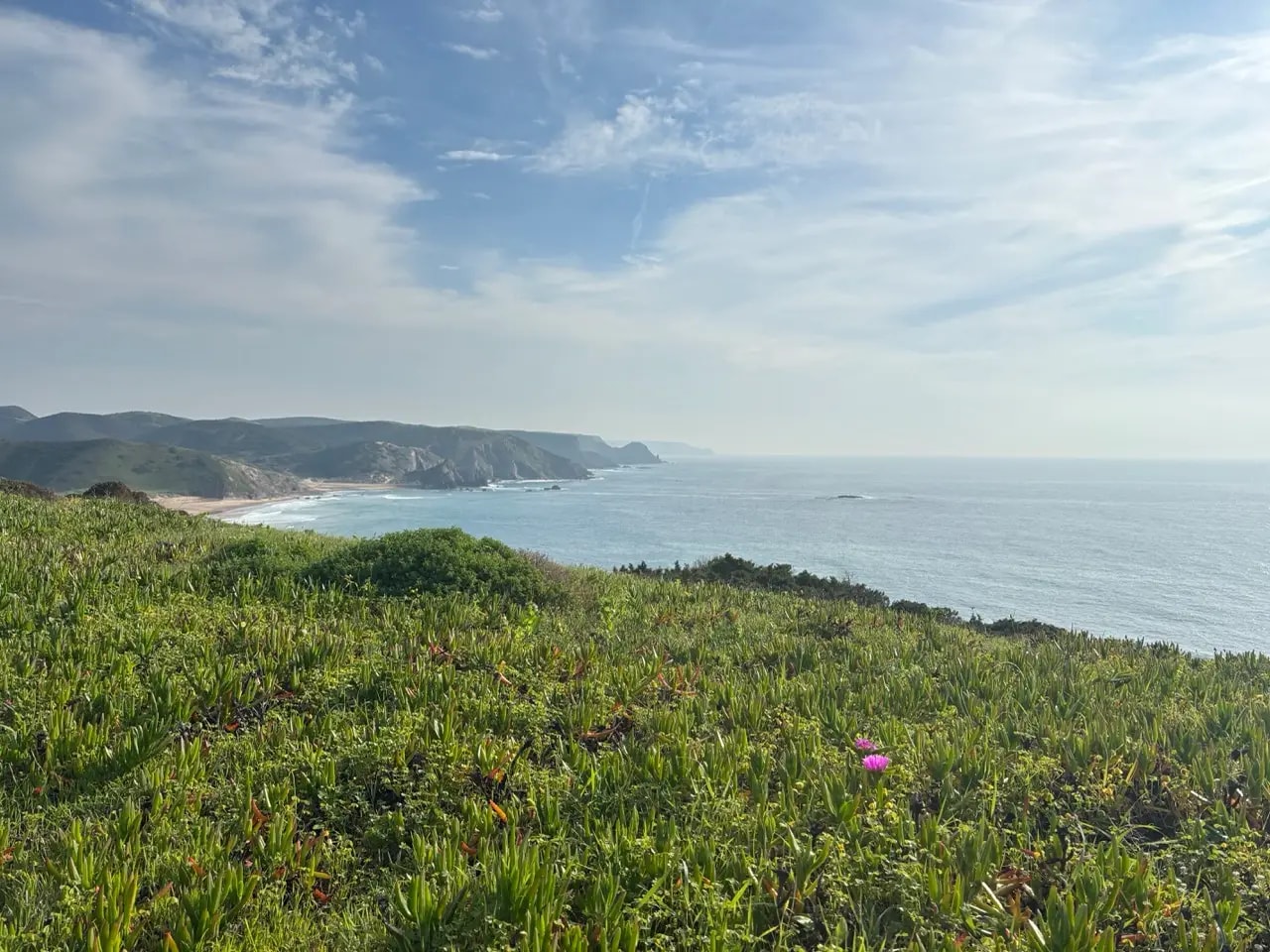
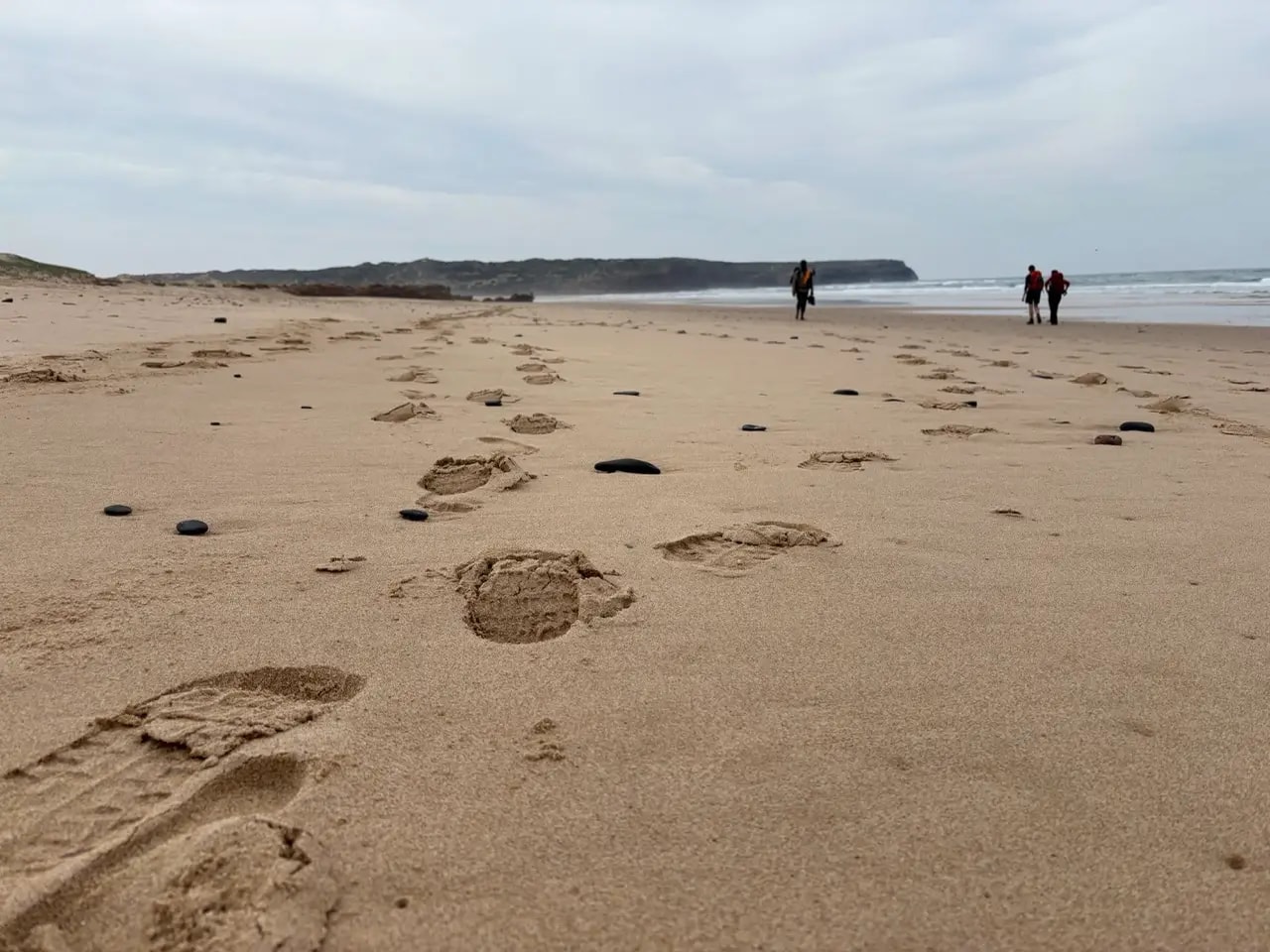
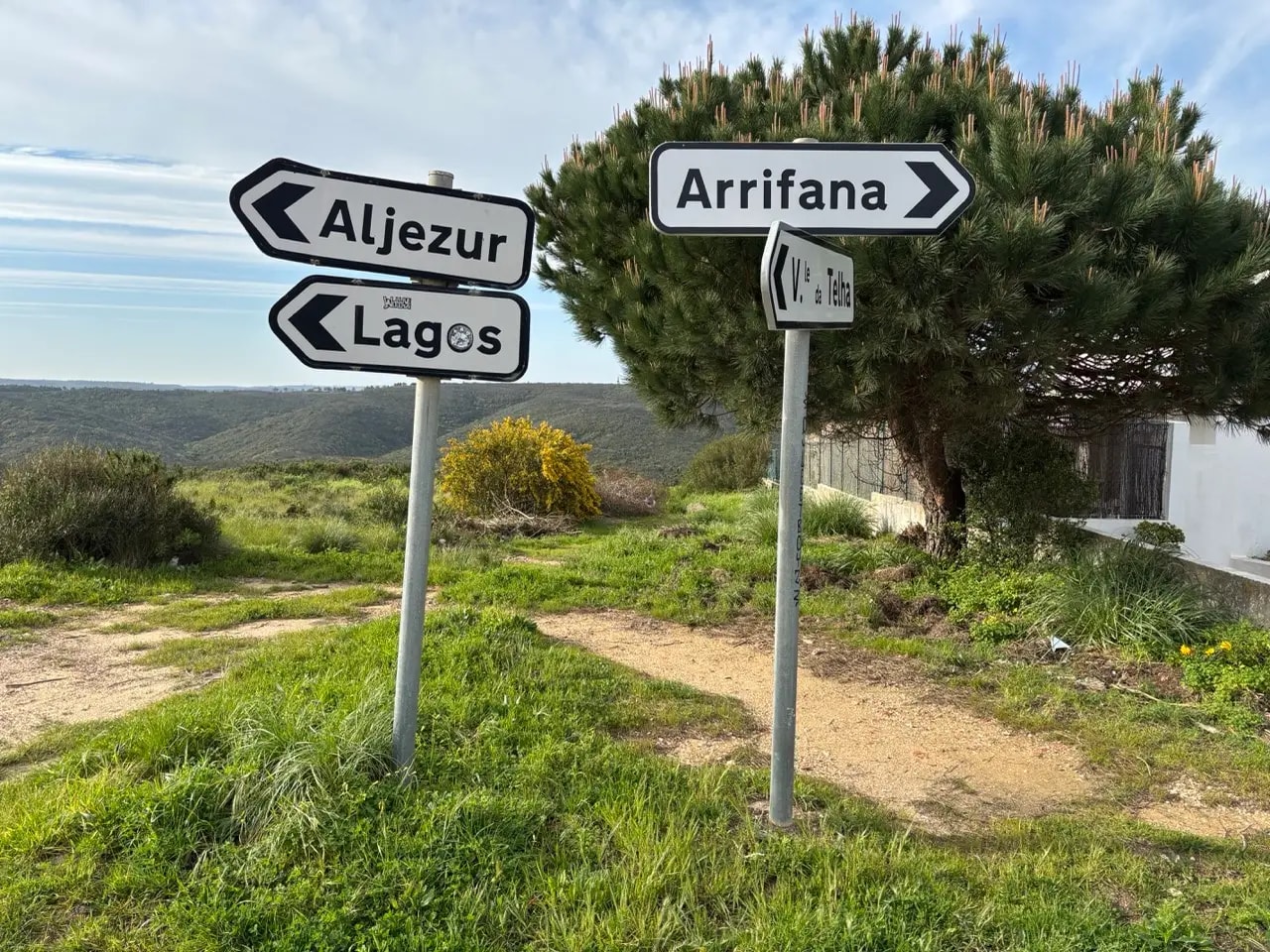
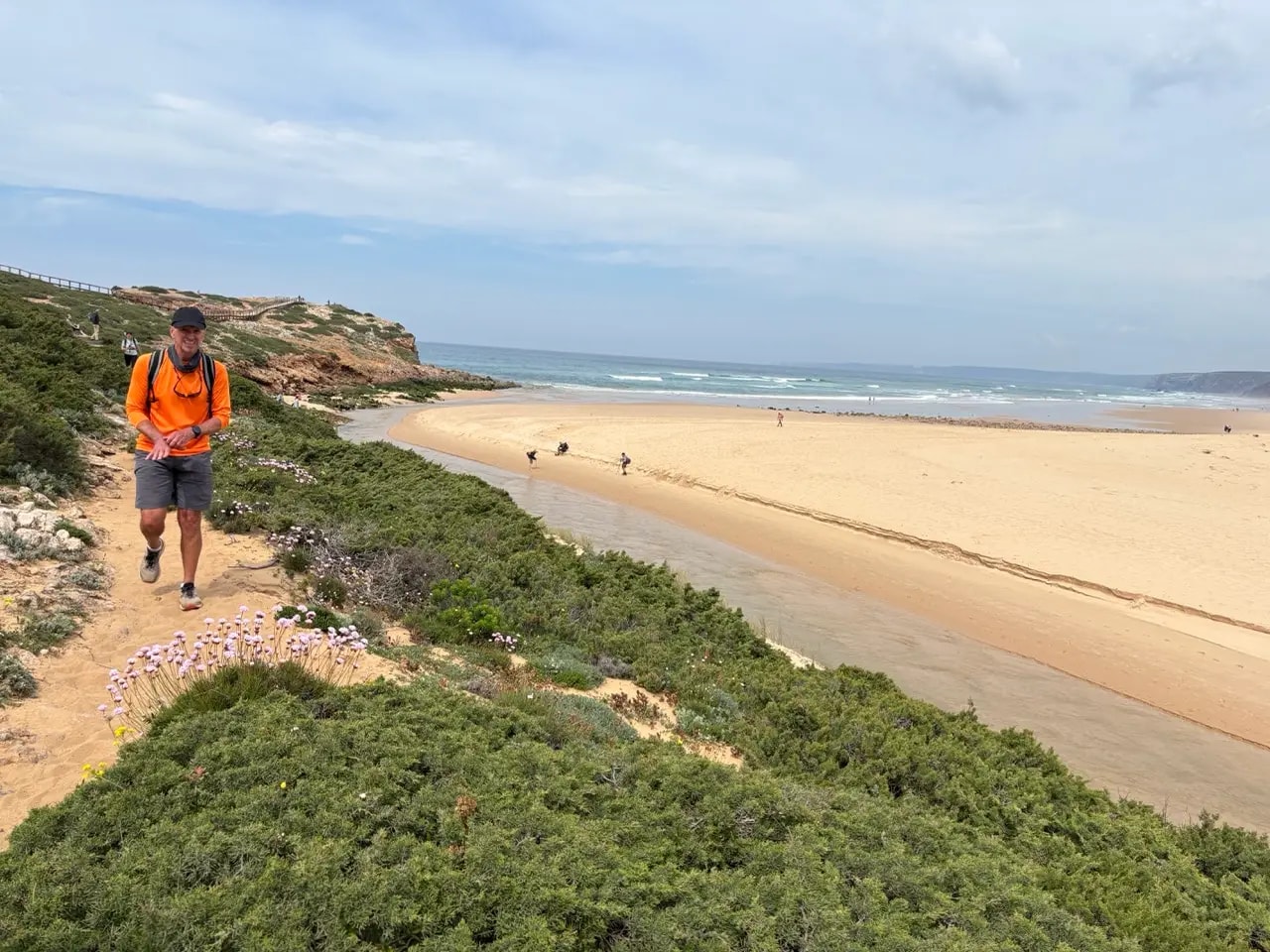
I passed through the surf town of Arrifana for breakfast and met a German hiker called Paul who was in the same situation: no bed booked ahead. We teamed up and continued together. Parts of this stretch take you directly along the beach, which was a real highlight.
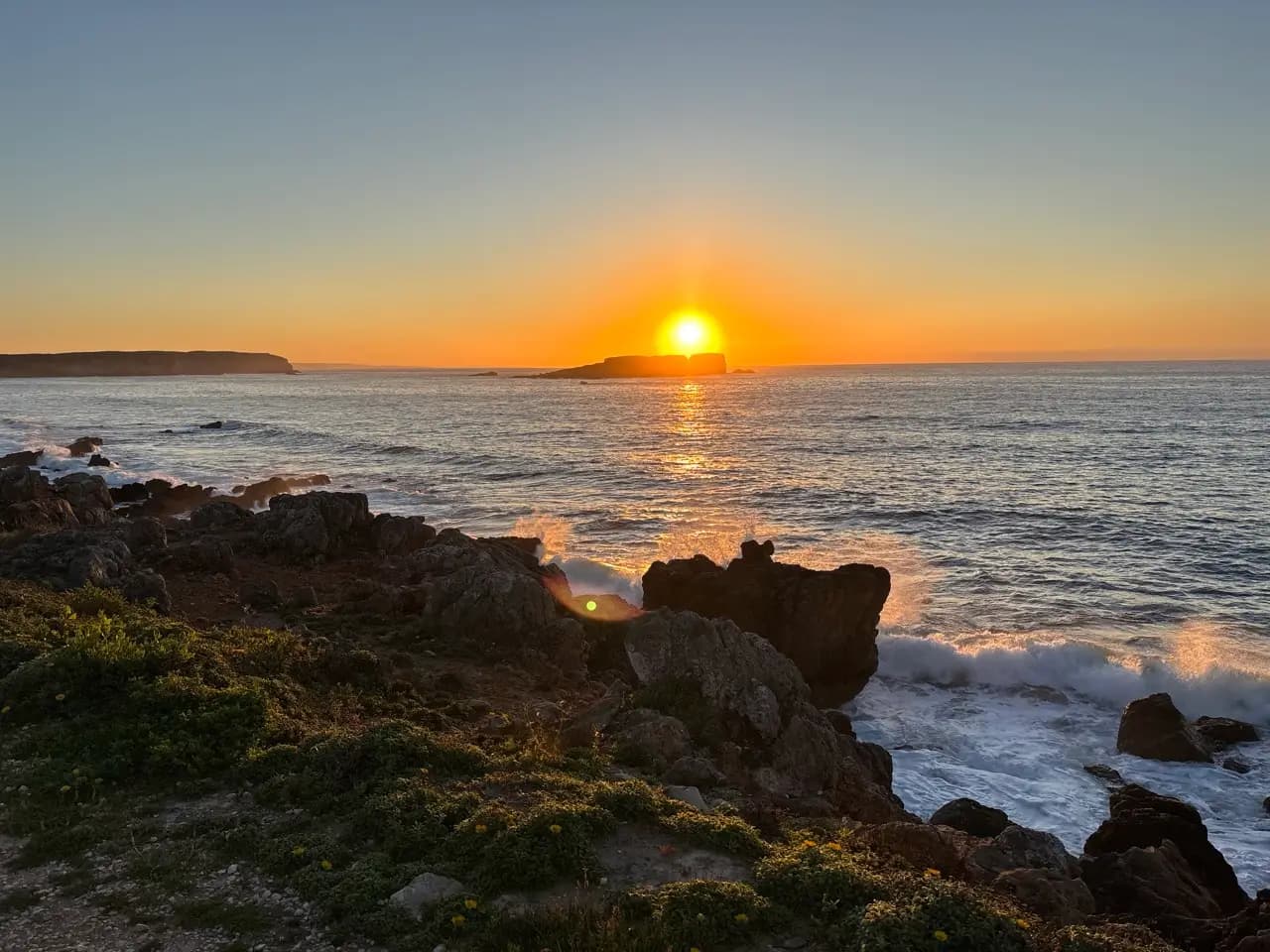
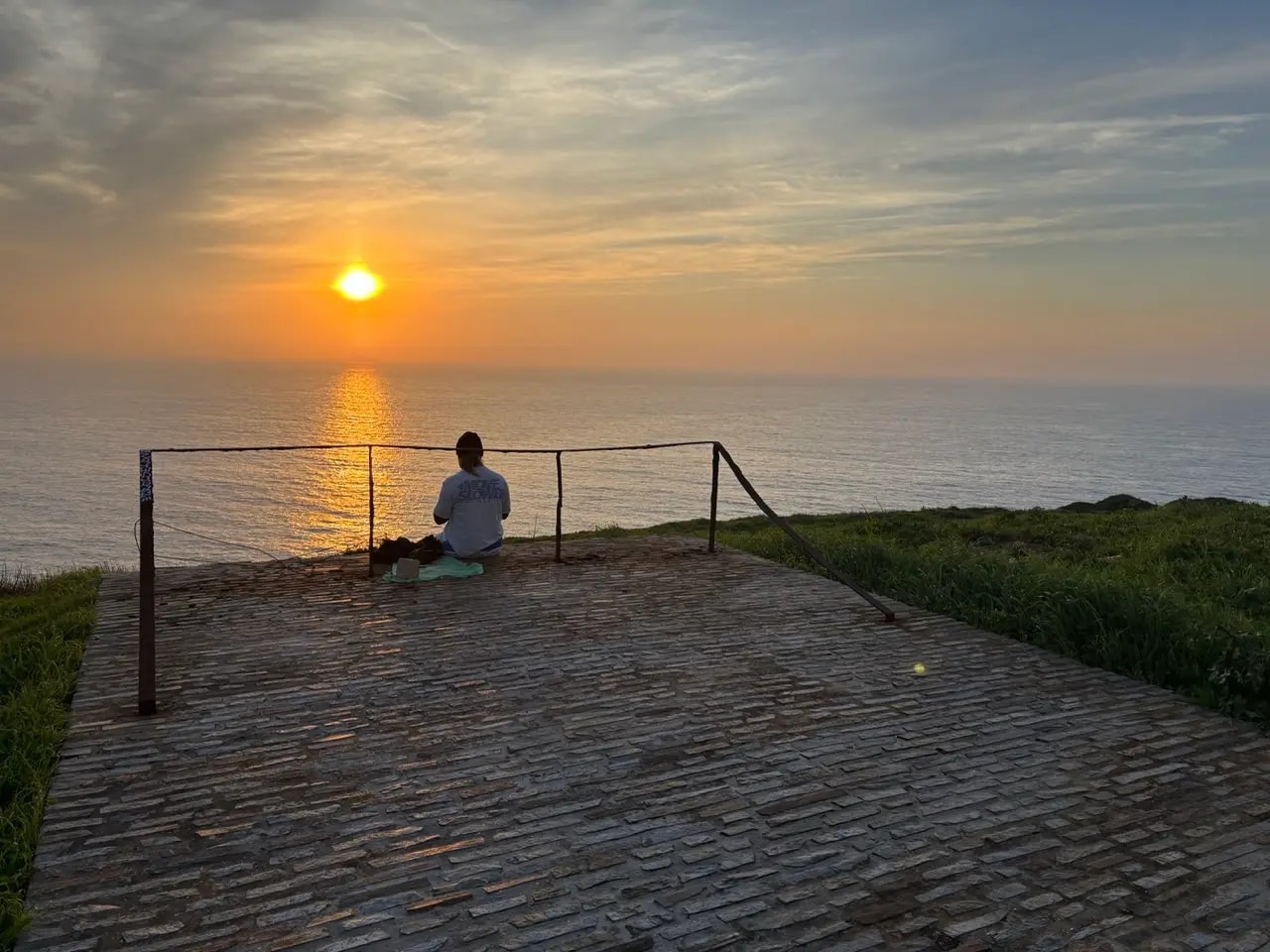
In Carrapateira we had a great meal and then pushed on, hiking roughly half a stage further until we found an abandoned building - maybe a weather station, maybe an off-season hostel. Paul hung his hammock from some metal poles; I cowboy camped on the terrace behind some benches for wind cover. We had a phenomenal sunset and a solid free night's sleep. Cost: €0.
Day 6: Past Carrapateira to Sagres (~36 km)
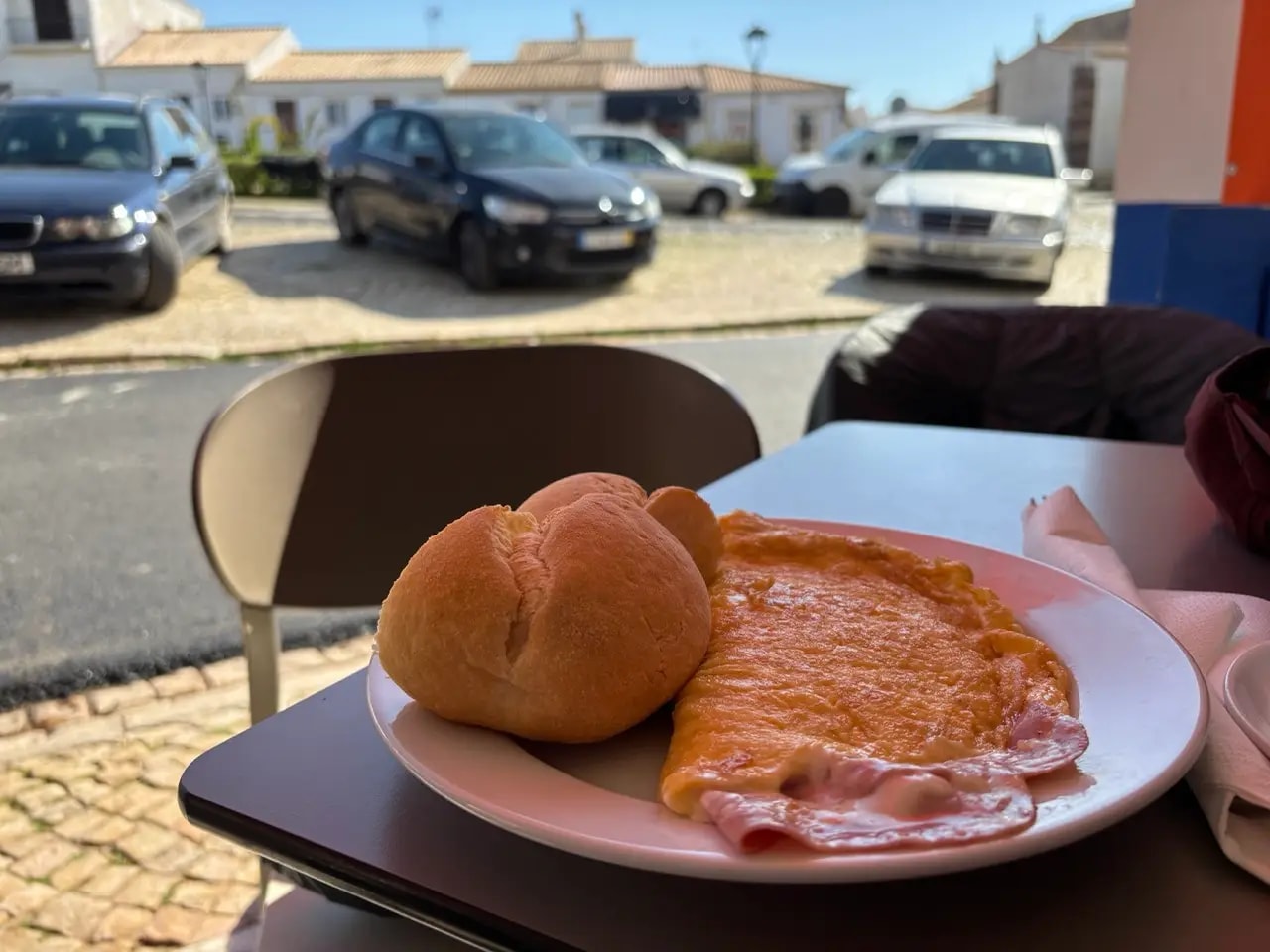
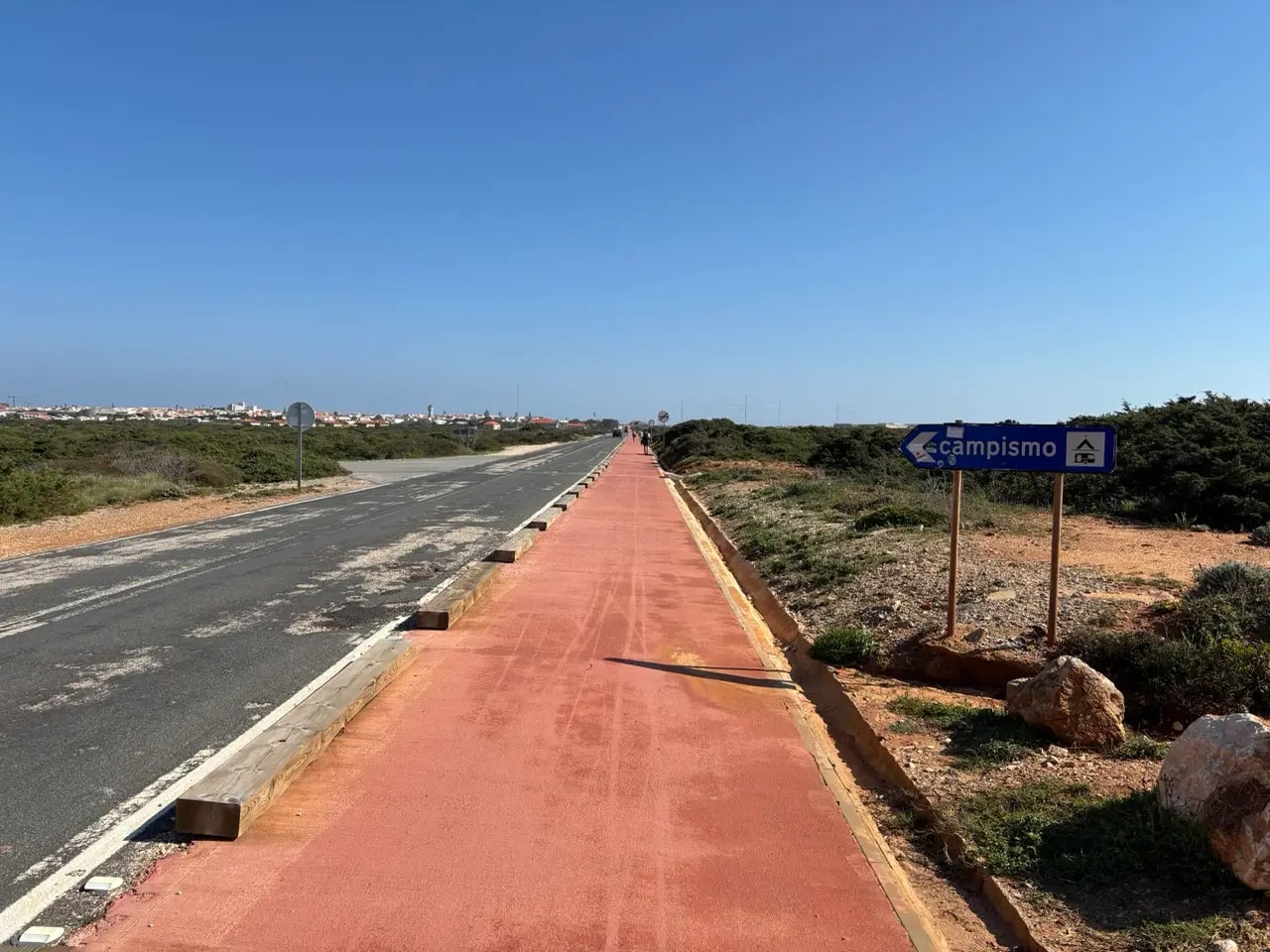
The day started with a long, hot road walk to Vila do Bispo. Not the most exciting stretch, but Vila do Bispo turned out to be a really pleasant town. I sat down at a café for an omelette and freshly squeezed orange juice, caught up with other hikers, and resupplied at the Lidl in town - a proper supermarket makes a big difference for keeping food costs low.
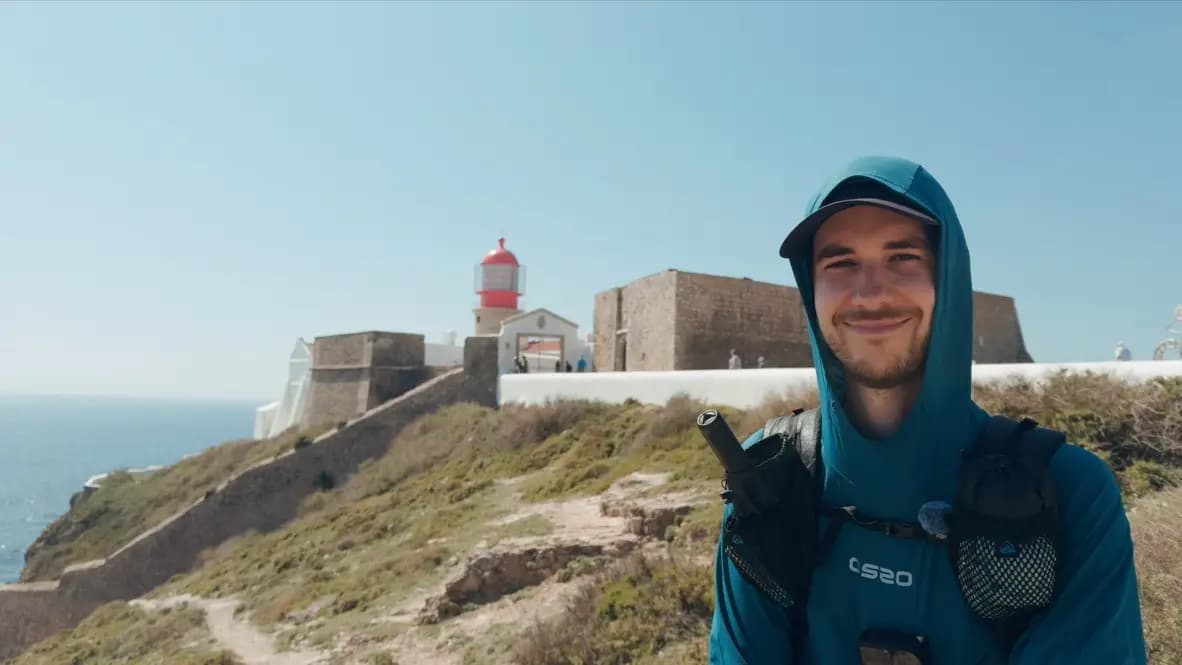
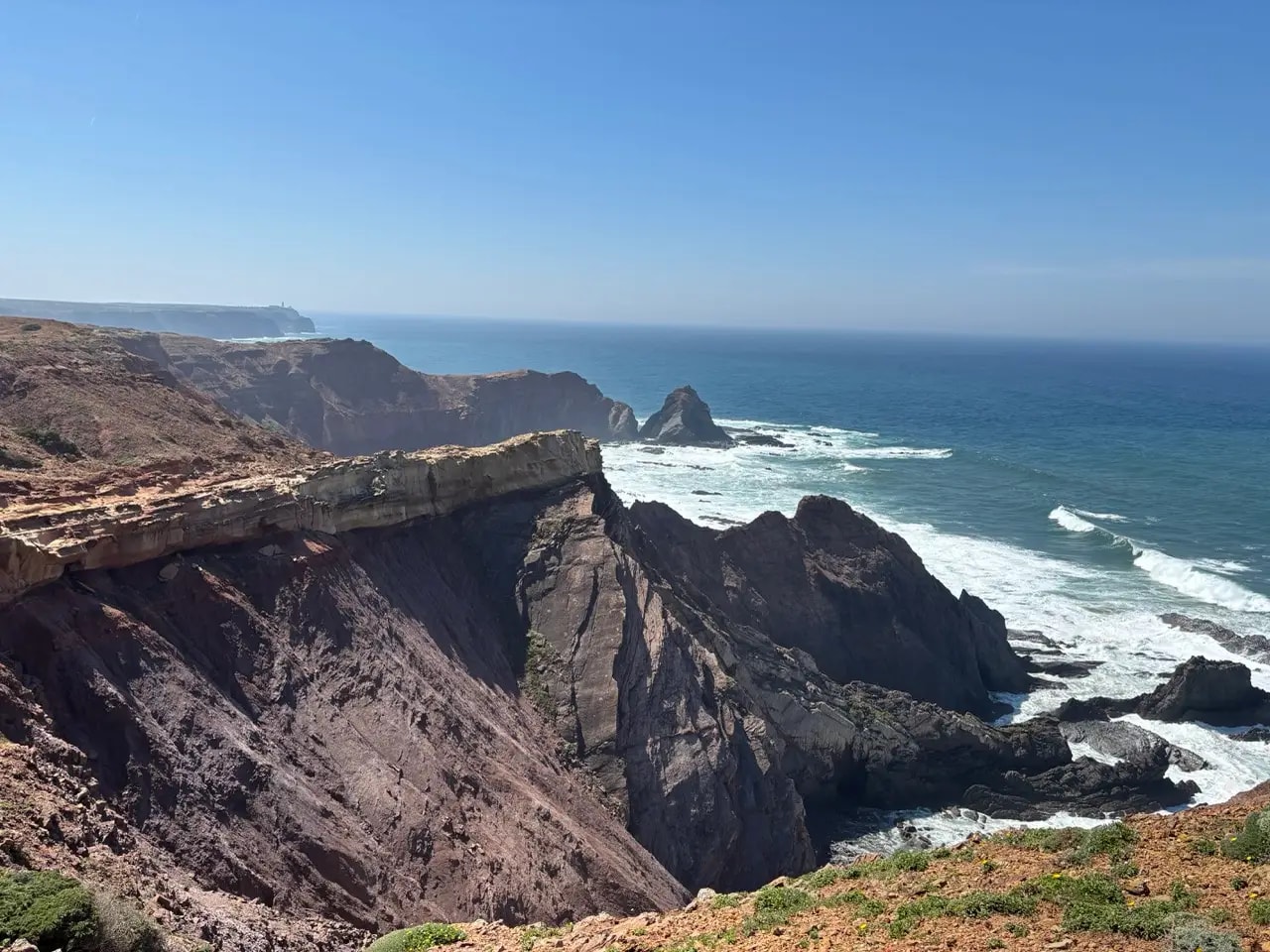
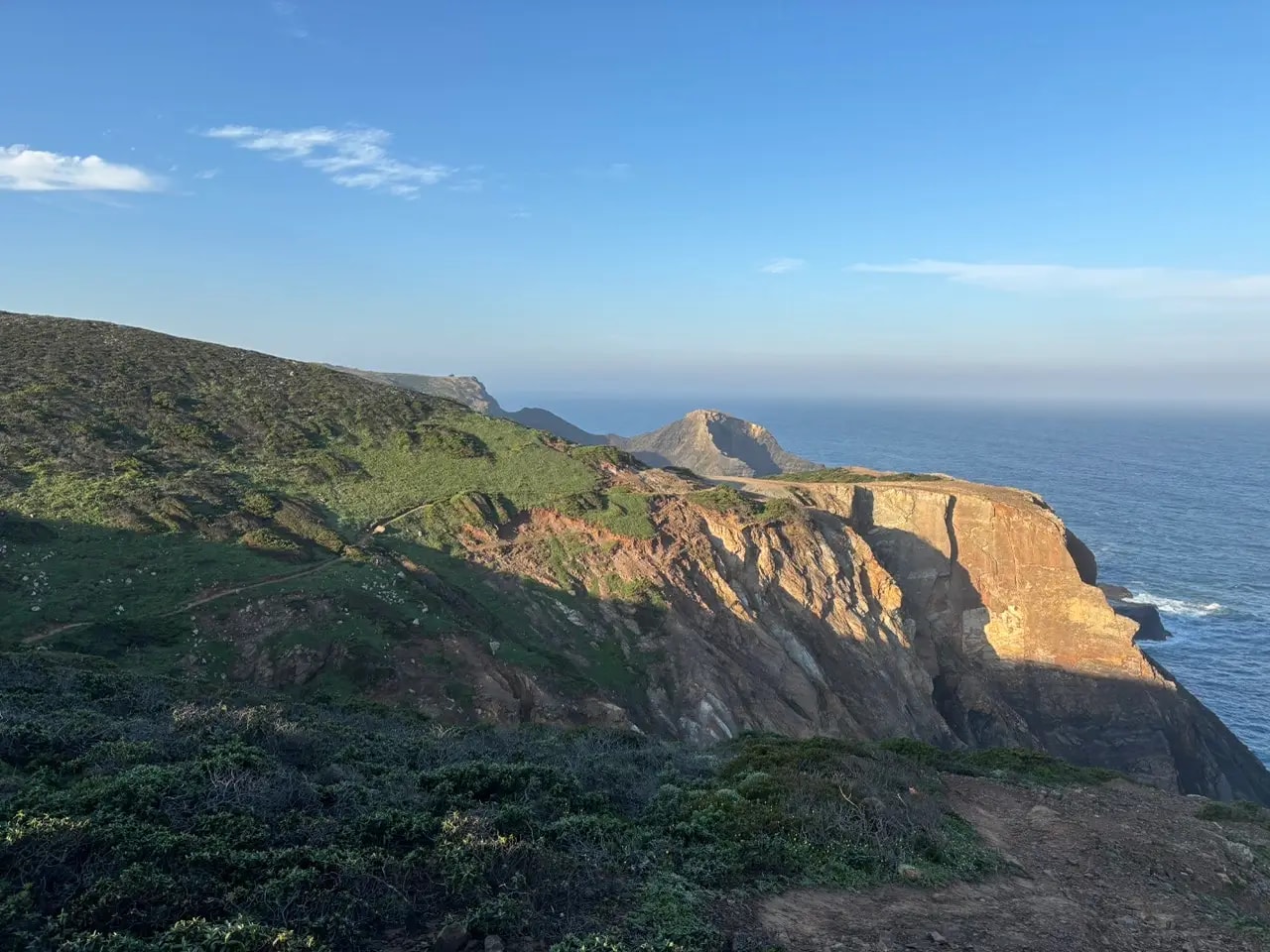
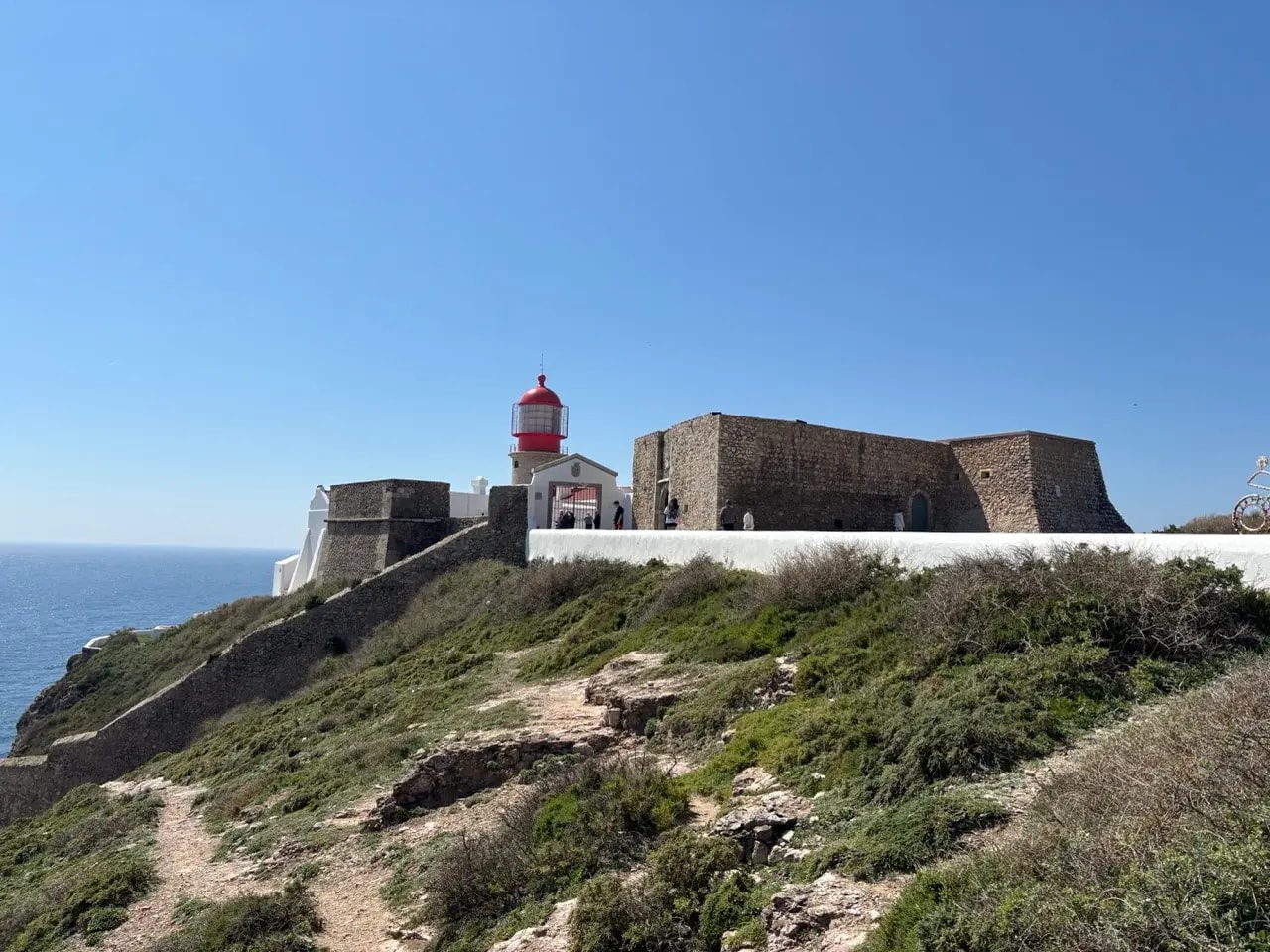
From Vila do Bispo the hike follows the coast to Sagres, passing the famous lighthouse at Cabo de São Vicente - the southwestern tip of mainland Europe. I met another German hiker, Dominik, and we continued together to the lighthouse for the mandatory photos before walking on to Sagres.
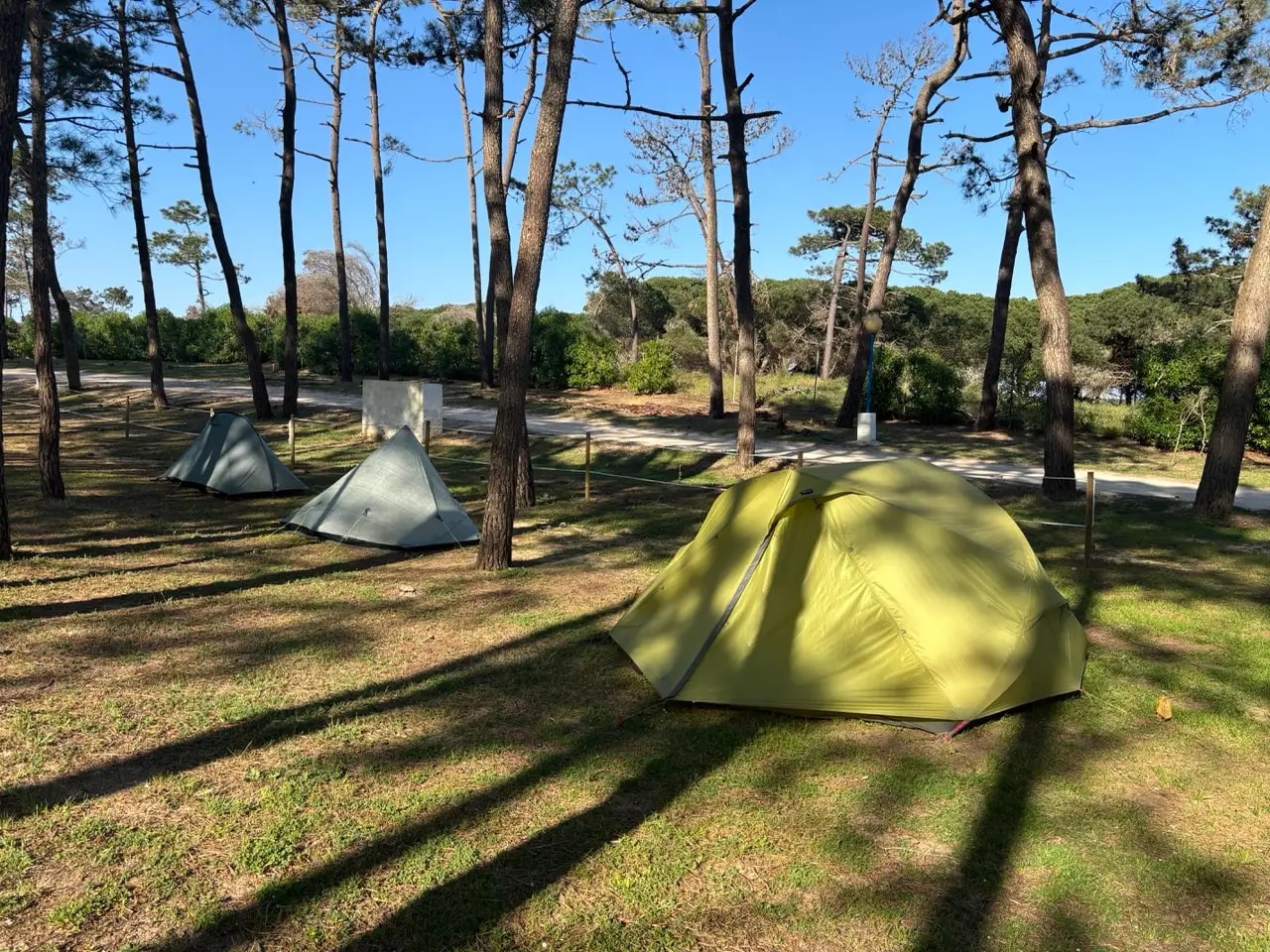
The campsite just outside Sagres was well-run with great facilities. Around €10 to pitch. We met other Fishermen's Trail hikers here - the campsite had a proper trail community feel.
Day 7: Sagres to Lagos (~42 km)
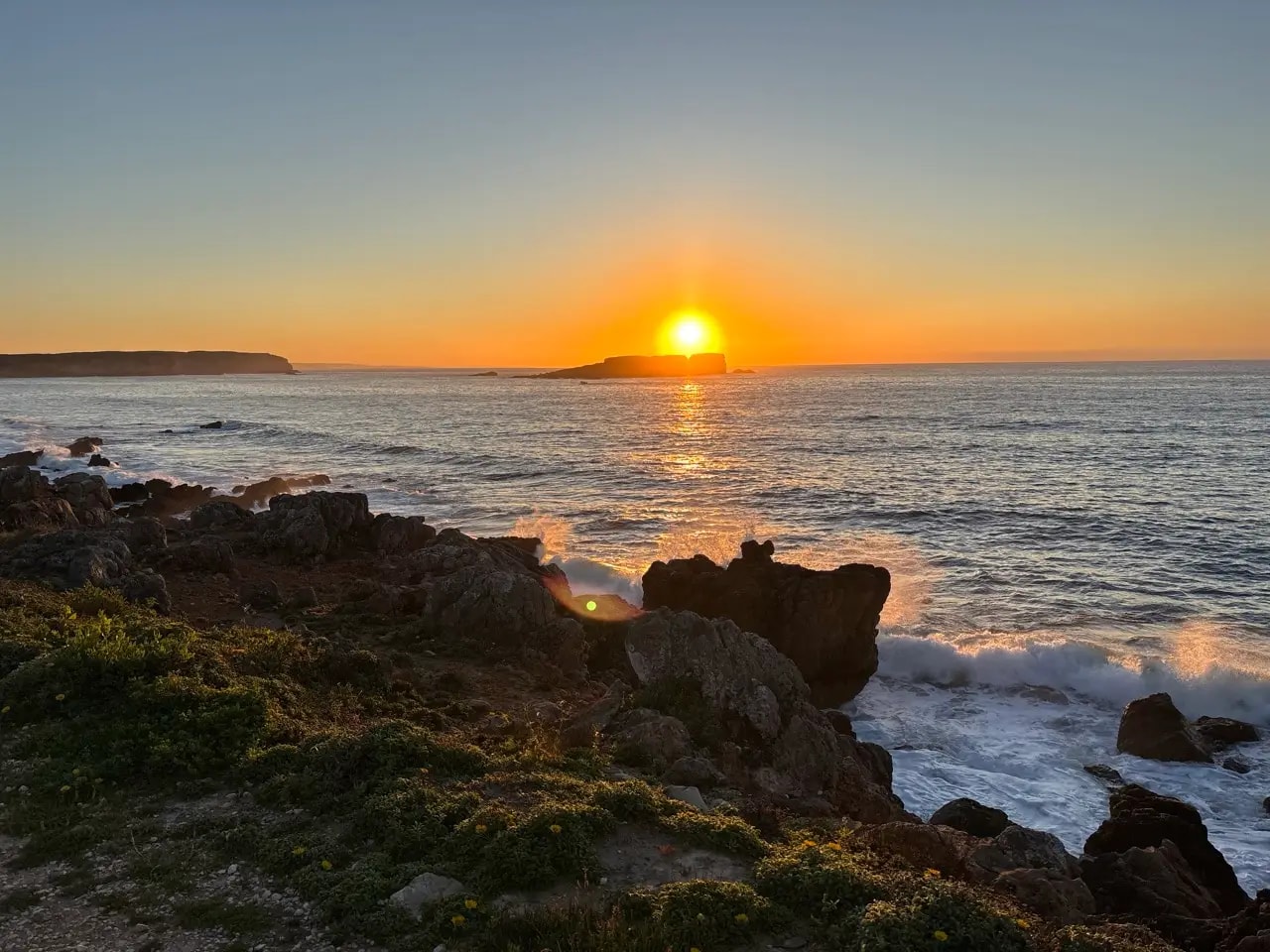
The final push. Three stages in one day. I hit the trail at 5:45 AM and was rewarded with the most beautiful sunrise of the entire trip. The downside of starting this early: it took a while before any cafés were open for that first cup of coffee.
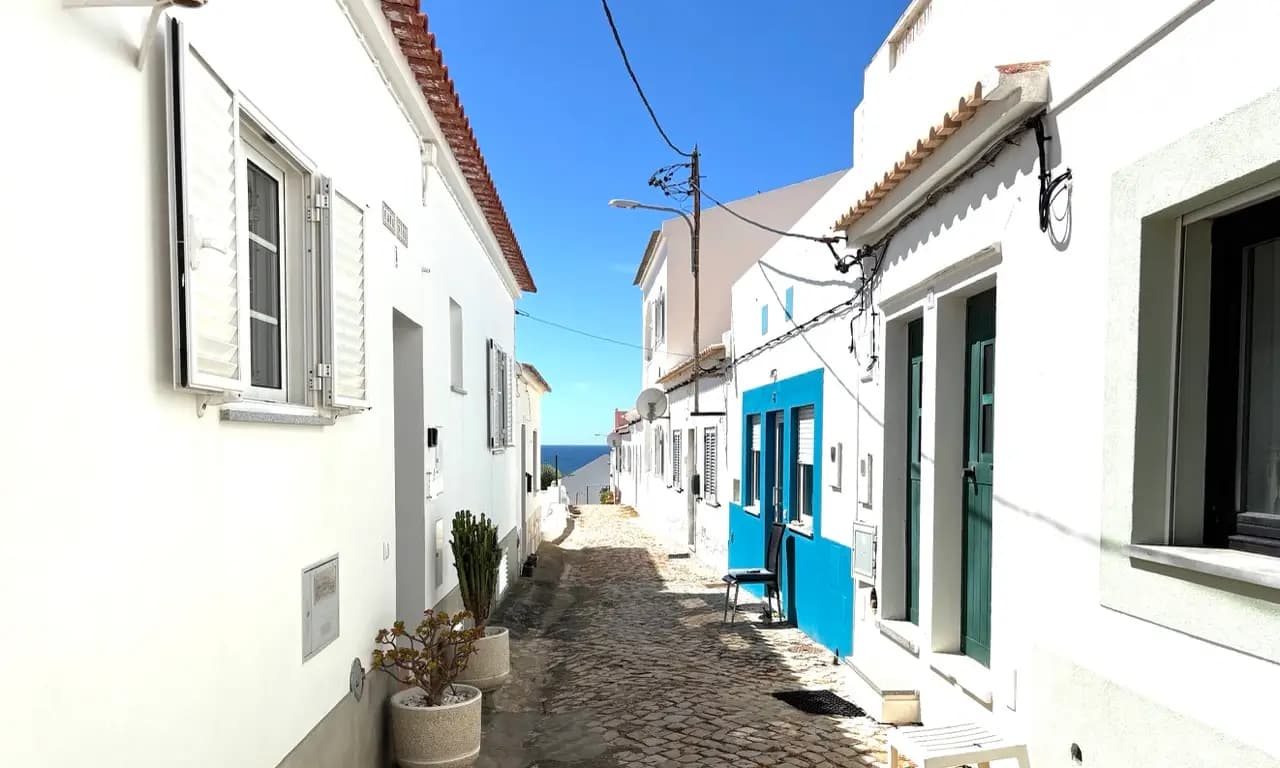
Salema was my first stop - a bit touristy, fine for a quick break and a resupply. Then on to the stretch passing through Burgau (❤️❤️❤️), which turned out to be my favourite small town of the whole trail. It's quaint, has a great atmosphere, and I ate an excellent focaccia sandwich at Pizzeria Corso I'd genuinely love to go back.
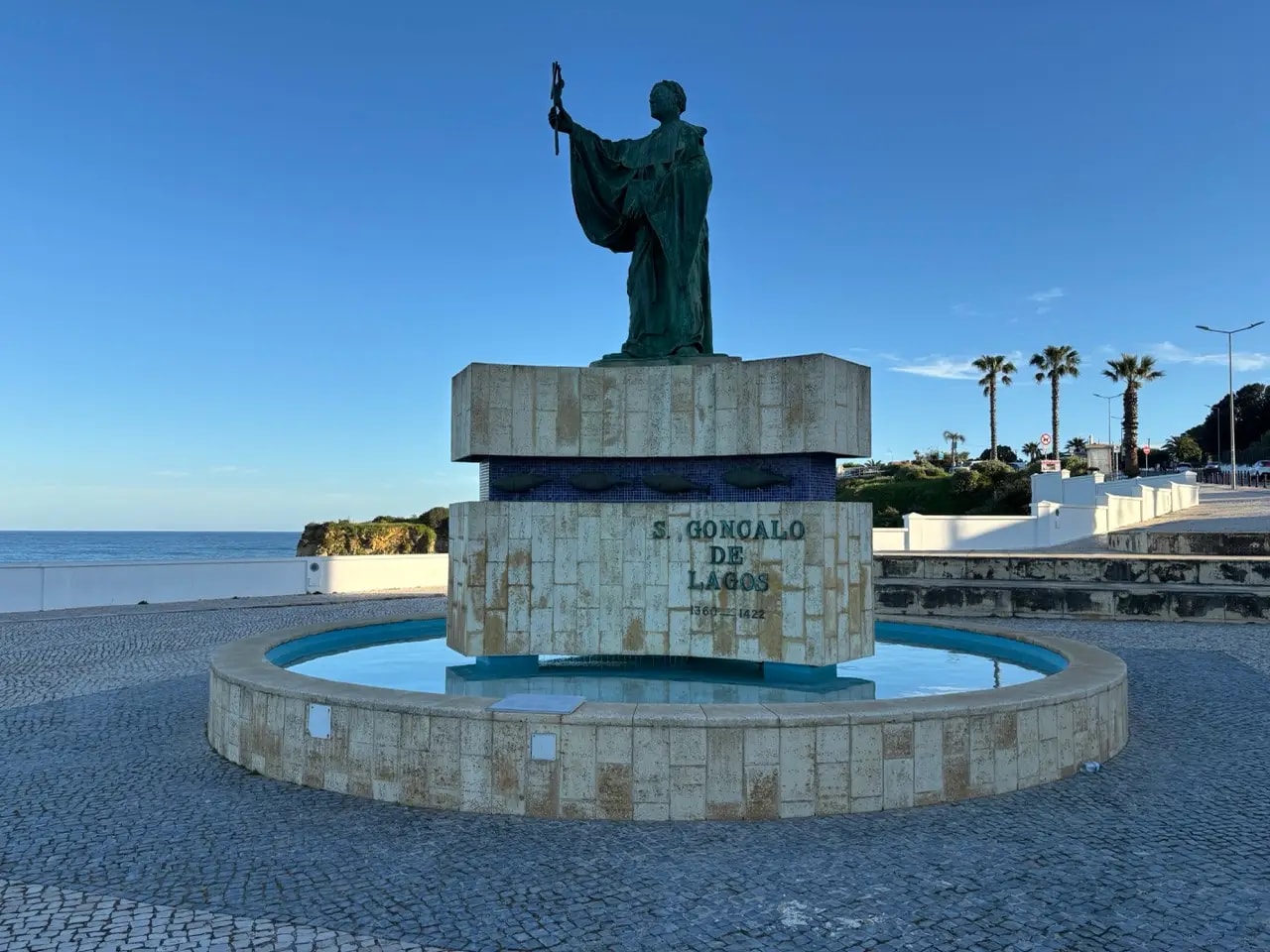
Luz was next - another tourist hub, but I grabbed an ice cream and geared up mentally for the last 10 km. I teamed up with a few other Fishermen's Trail hikers for the final stretch into Lagos. We finished together and ended up at the same hostel, celebrating the completed hike that evening. I returned the next day from Faro - only 2 hour bus ride from Lagos.
Budget breakdown
Here's roughly what the 7 days cost me (excluding flights):
| Category | Cost |
|---|---|
| Campsites (4 nights x ~€10) | ~€40 |
| Hostel (Aljezur and Lagos) | ~€25 |
| Cowboy camp (1 night) | €0 |
| Hostel in Lagos (final night) | ~€25 |
| Food (mix of supermarket and restaurants) | ~€150-200 |
| Bus Lisbon to Sines | ~€15 |
| Bus Lagos to Faro | ~€10 |
| Total (approx.) | €250-320 |
The biggest savings come from camping. At ~€10/night versus €30-50+ for a hotel/hostel bed, you cut accommodation costs by a lot. Buying lunch supplies at supermarkets instead of eating out twice a day makes another meaningful difference.
Tips for hiking fast and cheap
- Start early. On double-stage days, aim for 5:30-6:00 AM. You beat the heat and gain a massive time buffer.
- Buy lunch at supermarkets. Bread, tuna, vegetables, and olive oil cost a fraction of a restaurant meal and you can eat wherever the trail takes you.
- Camp where you can. Campsites along the trail are basic but functional, and at around €10/night they're unbeatable value.
- Book the hostel nights strategically. After a particularly tough day, a hot shower and a real bed make a huge difference.
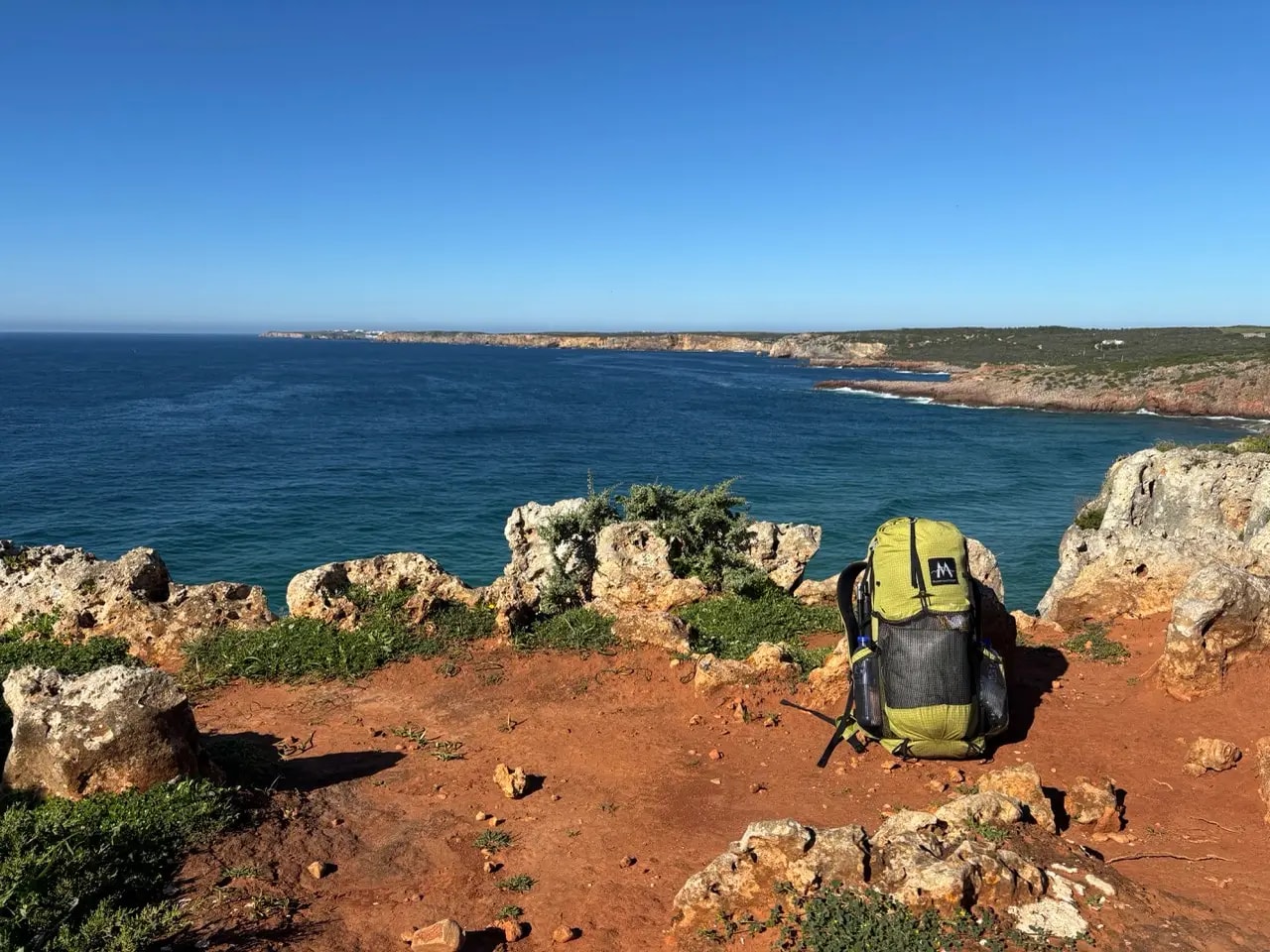
- Pack light. You're carrying camping gear, so every extra gram counts. Trail runners over boots, minimal clothing, and a compact tent or bivvy (read more about 5 must-have items for the Fishermen's Trail).
- Be flexible on accommodation. If a campsite or hostel is full, you might need to push on or improvise - having a sleeping setup that works outdoors gives you a safety net.
Was 7 days too fast?
Honestly - some days I would have loved more time to swim at the beaches and linger in the towns. But I also loved the feeling of big hiking days and covering serious ground. It comes down to what you want from the trail. You can hike the Fisherman's Trail exactly the way you want - that's the beauty of it.
For my next time, I'm planning a slower trip with friends, focusing on the experience together rather than the physical challenge. But this fast, budget-friendly approach was a brilliant way to see the entire trail and proved that you don't need to spend a lot to have an unforgettable time on the Fishermen's Trail.
Key takeaways
- The full Fisherman's Trail is doable in 7 days if you're fit and willing to combine stages
- Expect to spend around €250-320 for the week (excluding flights)
- Campsites at ~€10/night are your best friend for budget hiking
- Early starts (5:30-6:00 AM) are essential on double-stage days
- Bring supermarket supplies for trail breakfast and lunches - bread, tuna, and olive oil go a long way
- Download the Fishermen's Trail app for offline navigation along the way